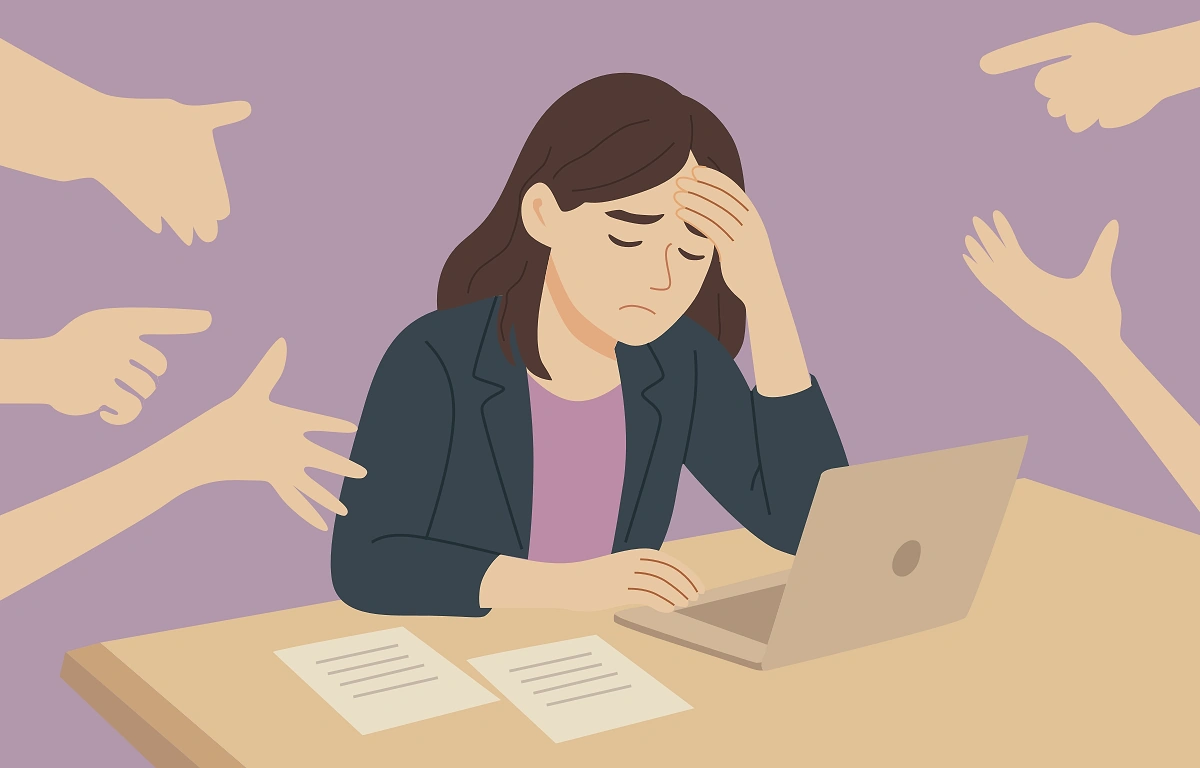
Fear of flying affects approximately 25-30% of the population to some degree, with 6.5% experiencing clinical aviophobia that significantly impacts their lives (Van Gerwen et al., 1997). The irony is that flying is statistically the safest form of transportation—your lifetime odds of dying in a plane crash are about 1 in 11 million, compared to 1 in 5,000 for car accidents (National Safety Council). But statistics rarely comfort the anxious brain. What does help? Breathing techniques specifically designed for the unique challenges of flight: the confined space, lack of control, and unpredictable turbulence.
Understanding Flight Anxiety
Flight anxiety typically clusters around several fears: fear of crashing, fear of turbulence, claustrophobia in the confined cabin, fear of losing control or having a panic attack, and fear of heights. Often, multiple fears combine. What's common across all types is the sense of being trapped—once the door closes, you can't leave. This triggers the nervous system's fight-or-flight response in a situation where neither fighting nor fleeing is possible (Wilhelm & Roth, 1997).
The Trapped Feeling
Research on flight anxiety reveals that the sense of confinement and lack of control is often more anxiety-producing than fear of the plane crashing. Your brain registers that escape is impossible, which can trigger panic even in people who don't typically experience anxiety. Understanding this helps: your brain is responding to perceived threat, not actual danger. Breathing techniques work by signaling safety to the nervous system.
Pre-Flight Preparation
Flight anxiety often begins hours or even days before departure. The anticipatory phase activates stress hormones that can leave you exhausted before you even reach the airport. Strategic breathing during this phase preserves your resources.
The Night Before
If you struggle to sleep before flights, practice 4-7-8 breathing in bed: inhale for 4 counts, hold for 7, exhale for 8. Complete 4-6 cycles. This technique, developed by Dr. Andrew Weil, has been shown to reduce pre-sleep anxiety significantly. If anxious thoughts intrude, acknowledge them without engaging: "I notice I'm thinking about turbulence. I'm going to breathe."
Morning of Flight
Begin the day with 5 minutes of calm breathing: 4-count inhale, 6-count exhale. This establishes a parasympathetic baseline before stress accumulates. Avoid excessive caffeine—it intensifies anxiety symptoms and makes breathing techniques less effective. Hydrate well; dehydration increases anxiety sensitivity.
Try This Exercise
4-7-8 Calm
4-7-8 Breathing2 min
You've got this. Let's breathe.
4s In
8s Out
At the Airport
Airports are designed for efficiency, not comfort. Crowds, security procedures, and the general atmosphere can escalate anxiety. Use discrete breathing throughout.
Security and Boarding
While waiting in lines, practice invisible extended exhales—no one will notice, but your nervous system will benefit. During boarding, as you walk down the jetway, take slow, deep breaths. When you reach your seat, before sitting down, take one full breath cycle while standing—this is your last moment of relative freedom before confinement.
Seated: Before Takeoff
The period between sitting down and takeoff is critical. Anxiety tends to escalate during this waiting phase, and takeoff itself is the most anxiety-provoking moment for most fearful flyers.
The Settling Protocol
As soon as you sit down:
1. Ground yourself physically: Press your feet into the floor, feeling the pressure. Place both hands flat on your thighs. Notice the physical sensations of the seat supporting you.
2. Begin box breathing: Inhale for 4 counts, hold for 4, exhale for 4, hold for 4. The structured pattern gives your mind something to focus on besides anticipatory worry.
3. Continue through doors closing and taxi: Maintain the breathing pattern. The rhythm becomes an anchor as the plane moves to the runway.
4. During takeoff roll and climb: If box breathing becomes difficult, switch to simple extended exhales: short inhale, long exhale. Focus on the exhale pushing through the acceleration. The climb typically lasts 3-5 minutes—breathe through it.
During the Flight
Once at cruising altitude, anxiety often lessens but can spike unpredictably with turbulence or during descent. Having techniques ready prevents panic.
Turbulence Protocol
At the first bump: Immediately begin extended exhale breathing. Don't wait to see if turbulence continues—start breathing proactively.
If turbulence persists: Add humming to your exhale. Humming stimulates the vagus nerve more powerfully than exhaling alone. The vibration travels through your chest and signals safety to your nervous system. Keep the hum low and quiet—it doesn't need to be audible to others, just to you.
Eyes and body: Close your eyes to reduce visual input that can intensify motion-related anxiety. Press your feet firmly into the floor. Grip the armrests—physical tension in extremities can paradoxically help release tension in your core and chest.
Turbulence Reframe
While breathing, remind yourself: turbulence is to airplanes what bumps in the road are to cars—uncomfortable but not dangerous. Modern aircraft are designed to handle turbulence far beyond anything passengers experience. Pilots call it "weather" not "danger." The plane is doing exactly what it's designed to do.
Advanced Techniques
For severe flight anxiety, these additional techniques can provide stronger calming effects:
Begin box breathing immediately upon sitting—continue through takeoff
Hum on exhales during turbulence—vibration stimulates vagus nerve
Close eyes to reduce visual anxiety triggers during bumps
Combine breathing with music or white noise to mask cabin sounds
Hold ice or cold water—cold stimulates the dive reflex, slowing heart rate
The Dive Reflex Technique
For acute anxiety or the onset of panic, activate the mammalian dive reflex—a physiological response that immediately slows heart rate. Request ice from the flight attendant. Hold an ice cube in your hands or press it to your face while breathing slowly. The cold activates vagal tone powerfully and quickly. Alternatively, hold a cold drink can against your inner wrists.
Landing
Descent can trigger renewed anxiety as the plane changes altitude and you approach the ground. The key is to begin breathing techniques before anxiety peaks.
Descent and Approach
When you hear the announcement: Begin gentle extended exhale breathing immediately. Don't wait until you feel anxious.
During descent: You may feel sensations of dropping or ear pressure—these are normal. Continue breathing through them. Press your feet into the floor; the pressure sensation helps with grounding.
Final approach and landing: The approach may include banking turns and altitude adjustments. Maintain breathing focus. Landing itself involves a firm contact with the runway—breathe through the bump and braking. You're almost there.
Building Long-Term Resilience
Each flight you complete while using these techniques builds evidence that you can handle it. Over time, the anxiety typically decreases as your brain learns that flights are survivable. Some anxious flyers find that deliberately choosing window seats and watching takeoffs and landings helps—exposure reduces fear. Others prefer aisles for the sense of space. Experiment to find what works for you.
Preparing Your Flight Toolkit
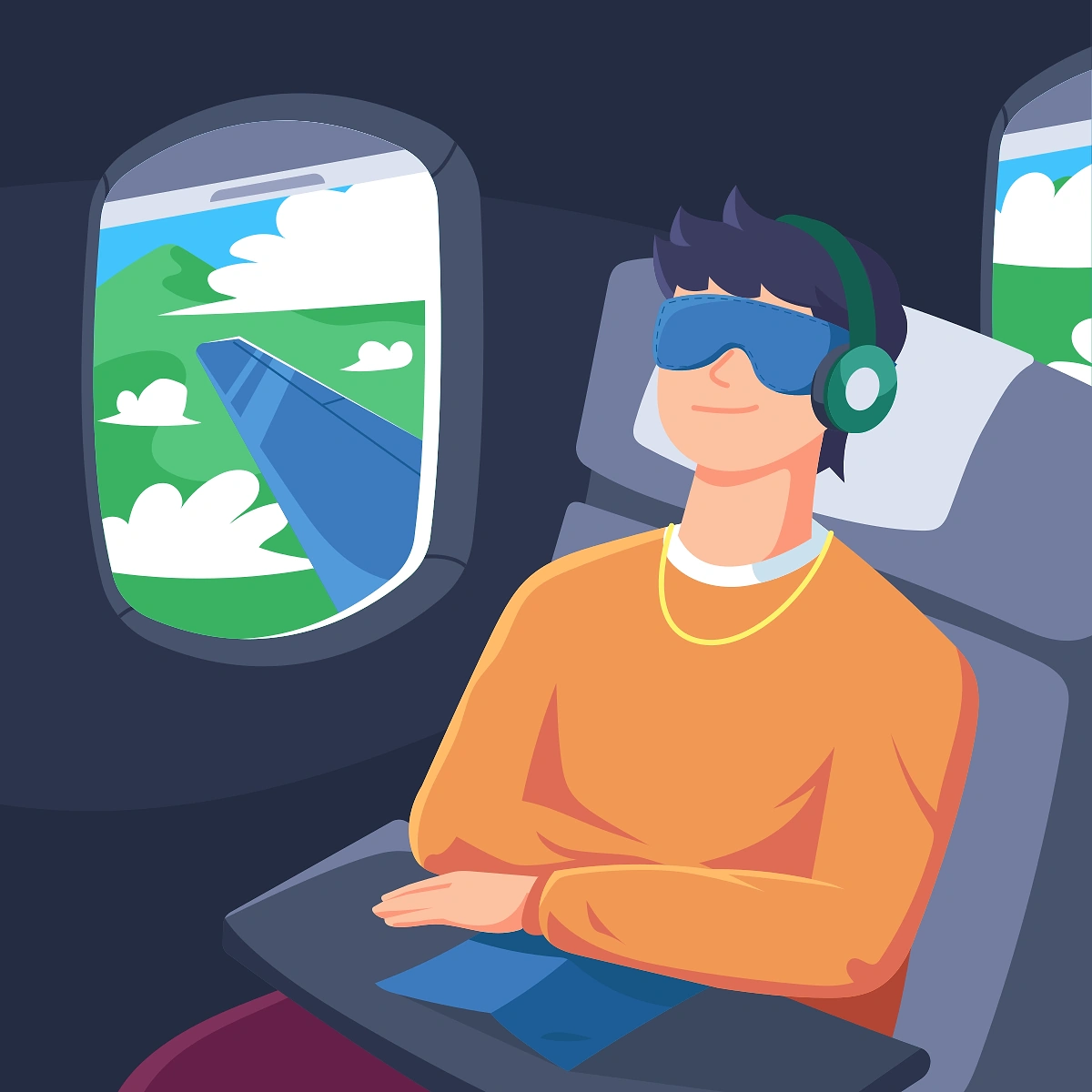
Successful management of flight anxiety requires preparation before you reach the airport. Pack items that support your breathing practice: noise-canceling headphones to reduce engine sounds that can trigger anxiety, an eye mask for visual isolation during challenging moments, and a water bottle to stay hydrated (dehydration worsens anxiety symptoms). Consider downloading guided breathing apps to your phone in case you need additional support during the flight. Having these tools readily accessible in your carry-on, rather than in overhead storage, ensures you can deploy them instantly when needed.
The Pre-Flight Checklist
Create a personal pre-flight ritual that begins the day before travel. Review your breathing techniques so they feel fresh. Pack your anxiety toolkit. Set intentions for how you will respond if turbulence occurs. Visualize yourself breathing calmly through each phase of the flight. This mental rehearsal activates the same neural pathways used during actual practice, effectively training your brain for calm responses. On flight day, arrive early to avoid the added stress of rushing, and use the waiting time for preliminary breathing exercises.
Conclusion
Flight anxiety is common and understandable—the situation combines confinement, lack of control, and unusual physical sensations. But breathing techniques offer a portable, always-available toolkit that addresses the physiology of fear directly. By preparing before the flight, using structured breathing from seating through takeoff, and having turbulence-specific protocols ready, you transform flying from a white-knuckle ordeal into a manageable challenge. Each successful flight rewires your brain toward greater calm. Pack these techniques alongside your passport.
Related Articles
The Panic Response Protocol
Calm Your Nerves Instantly
References
National Safety Council. (2021). Odds of Dying From Injury and Comparison to Lifetime Odds.
Van Gerwen, L. J., et al. (1997). Fear of flying treatment programs for passengers: An international review. Aviation, Space, and Environmental Medicine, 68(11), 983-990.
Wilhelm, F. H., & Roth, W. T. (1997). Acute and delayed effects of alprazolam on flight phobics during exposure. Behaviour Research and Therapy, 35(9), 831-841.