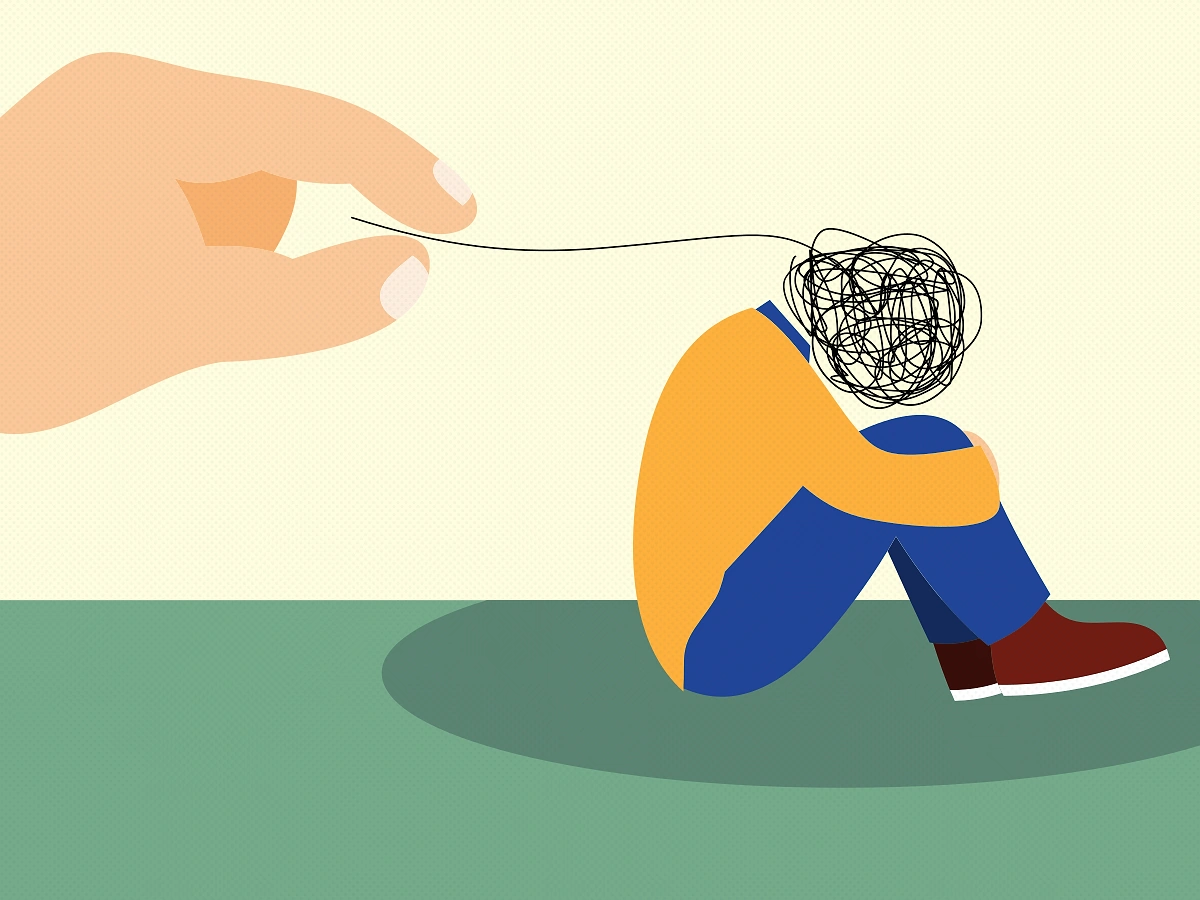
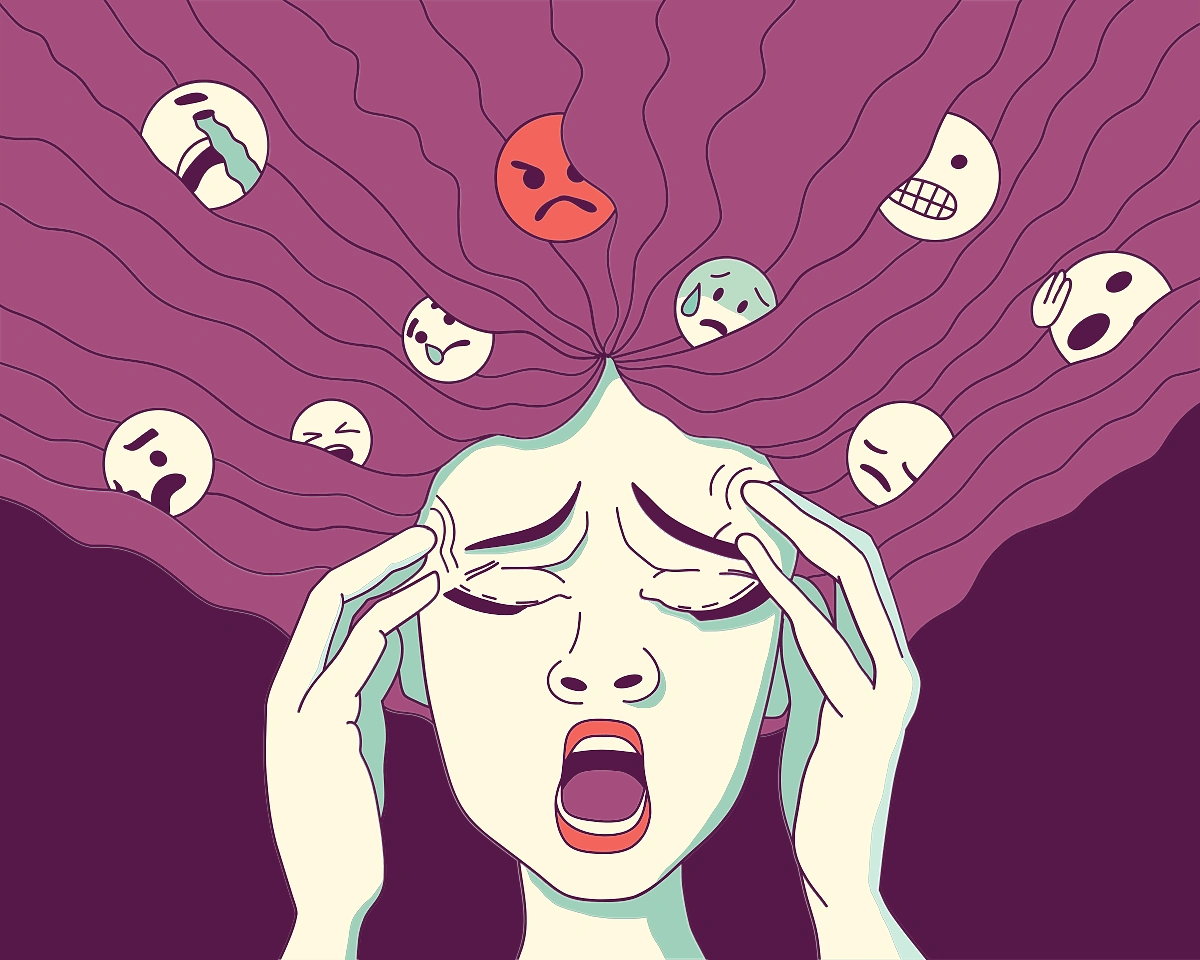
Workplace stress costs U.S. employers an estimated $500 billion annually in lost productivity, absenteeism, and healthcare costs (American Institute of Stress, 2019). Yet many employees feel self-conscious about practicing stress-reduction techniques at work. The solution? Invisible breathing practices that deliver powerful calming effects while being completely undetectable to colleagues. These stealth techniques allow you to regulate your nervous system in real-time, whether you're at your desk, in a meeting, or walking between appointments.
Why Discretion Matters
Despite growing awareness of workplace wellness, many office cultures still stigmatize visible stress management. Closing your eyes to meditate or stepping away for breathing exercises can feel awkward or even career-limiting in competitive environments. The techniques in this article work within normal office behavior—no one will know you're doing anything special, but your nervous system will know the difference.
The Invisible Advantage
Discrete breathing techniques offer a unique advantage: you can use them exactly when you need them, not just during designated wellness breaks. Stressful email? Breathe through reading it. Difficult colleague approaching? Begin calming before they arrive. The real-time application makes these techniques more effective than scheduled stress management practices that happen separate from actual stressors.
The Desk Technique
This is your baseline invisible practice—a subtle but effective method you can use continuously throughout the workday without anyone noticing.
How to Practice
Position: Sit normally at your desk with hands resting on your keyboard or desk. Keep your face relaxed and eyes focused on your screen as usual.
The Breath: Breathe silently through your nose. Make no audible sound. Extend your exhale to be approximately twice as long as your inhale—if you inhale for 3 seconds, exhale for 6. Don't pause between breaths; keep the rhythm smooth and continuous.
The Invisible Cue: To track your rhythm without a timer, lightly press each fingertip to your desk in sequence during the exhale (pinky-ring-middle-index-thumb and back). This gives you a 10-count exhale without any visible movement.
Duration: Practice for 1-2 minutes anytime you feel tension rising. The effects compound—regular practitioners report baseline stress levels dropping over weeks.
Try This Exercise
4-7-8 Calm
4-7-8 Breathing2 min
You've got this. Let's breathe.
4s In
8s Out
Meeting Survival Techniques
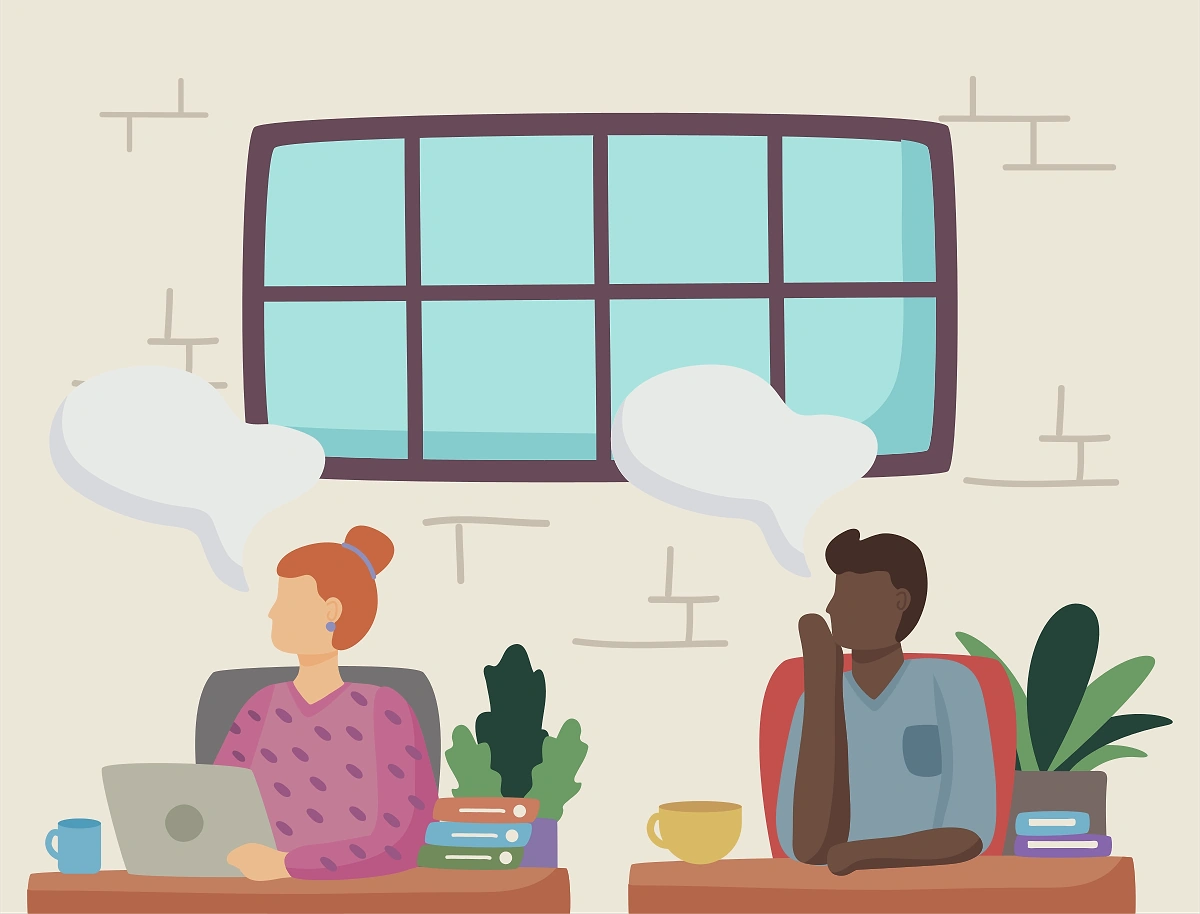
Meetings are high-stress environments: performance pressure, interpersonal dynamics, and limited control over pacing. These techniques help you stay calm while appearing engaged.
The Pre-Speech Breath
Before speaking—whether answering a question or presenting information—take one slow, deep breath through your nose while maintaining eye contact with whoever just spoke. This appears as thoughtful consideration rather than stress management. Then begin speaking as you exhale. Research shows that speaking on the exhale steadies vocal quality and reduces perceived nervousness (Boone & McFarlane, 2014).
The Note-Taking Cover
While appearing to take notes, use your pen movements as breathing cues. Inhale as you write a line; exhale as you pause between lines. The rhythm of writing creates natural pacing for breath control. You can also write breathing reminders to yourself: "slow down," "extend exhale," or simply draw a small wave pattern.
The Water Break
Keep water within reach. Taking a sip provides a socially acceptable pause and natural break in breathing. Use the moment after swallowing to take one complete, slow breath before returning to attention. No one questions the need to hydrate.
The Listening Reset
When someone else is talking, you have an excellent opportunity for invisible breathing practice. Active listening posture—leaning slightly forward, maintaining eye contact, nodding occasionally—is completely compatible with extended exhale breathing.
The Technique
While listening, establish a 4-7-8 breath pattern: inhale for 4 counts, hold for 7, exhale for 8. Time your nods or expressions to disguise the slight pause during the hold phase. The long exhale occurs while you maintain listening posture. After 3-4 cycles, you'll feel noticeably calmer while appearing to be the most attentive person in the room.
Hidden Hand Cues
Your hands can serve as invisible biofeedback devices without anyone noticing:
Lightly press thumb to each finger in sequence to count breath phases
Tap pinky finger against desk surface once per exhale—imperceptible to others
Under the table, gently squeeze and release your thigh with exhale rhythm
If holding a pen, subtle clicks or rotations can mark breath cycles
Touch watch or ring during holds—gives you a physical anchor
Walking Breath
Moving between offices, to meetings, or to get coffee provides excellent opportunities for slightly more active breathing. Walking breath is invisible because movement naturally requires deeper breathing.
How to Practice
Pace your breath to your steps: Inhale for 4 steps, exhale for 6-8 steps. The naturally extended exhale activates parasympathetic calming without being visible.
Stairwell opportunity: If you're alone in a stairwell, you can add a brief 4-count hold at the top of each inhale. Climbing stairs provides cover for deeper breathing that would be noticeable at your desk.
Emergency Calming
When stress spikes suddenly—a hostile email, unexpected bad news, or a confrontational moment—you need immediate calming without betraying your reaction.
The Double Sigh
A single sigh is socially neutral—everyone sighs occasionally. The physiological sigh (double inhale through nose followed by extended exhale) can be disguised as a normal sigh. The second inhale is small and quick; the long exhale sounds like a thoughtful "hmm" or mild frustration—both acceptable office sounds. Research shows this pattern provides the fastest anxiety reduction of any breathing technique (Balban et al., 2023).
Building the Habit
Invisible breathing works best when it becomes automatic rather than something you remember to do after stress has already peaked. Set subtle environmental cues: every time you check email, begin extended exhale breathing. Every time you enter a meeting room, take three slow breaths. Tie the practice to existing behaviors until it becomes reflexive.
Remote Work Adaptations
The rise of remote and hybrid work has created new breathing opportunities while eliminating others. Video calls present unique challenges: your face is visible on screen, making obvious breathing techniques impractical. However, during calls where your camera is off, or when muted, you have complete freedom to practice. Between meetings, the home environment offers private spaces unavailable in traditional offices. The key is adapting your invisible toolkit to each work context rather than abandoning it when circumstances change.
Video Call Breathing
When your camera is on, focus on techniques that remain invisible: extended exhales through the nose, subtle finger-tapping rhythm cues below the camera frame, and micro-pauses before speaking. When muted, you can practice audible exhales or soft humming without anyone hearing. Some practitioners position their laptop so their hands remain below frame, allowing unrestricted use of hand-based cuing techniques. Strategic camera positioning creates space for stress management while maintaining professional appearance.
Conclusion
The best stress management technique is one you'll actually use—and invisible breathing removes all the barriers of self-consciousness, time constraints, and workplace culture that prevent traditional approaches. These techniques cost nothing, require no equipment, and can be practiced in real-time as stress occurs rather than after the fact. Start with the desk technique tomorrow, add one meeting technique per week, and within a month you'll have a complete invisible toolkit for workplace calm.
Related Articles
Deep Focus at Work
Dissolve Stress in 60 Seconds
Breathe Before a Presentation
References
American Institute of Stress. (2019). Workplace Stress Statistics.
Balban, M. Y., et al. (2023). Brief structured respiration practices enhance mood and reduce physiological arousal. Cell Reports Medicine, 4(1), 100895.
Boone, D. R., & McFarlane, S. C. (2014). The Voice and Voice Therapy (9th ed.). Pearson.