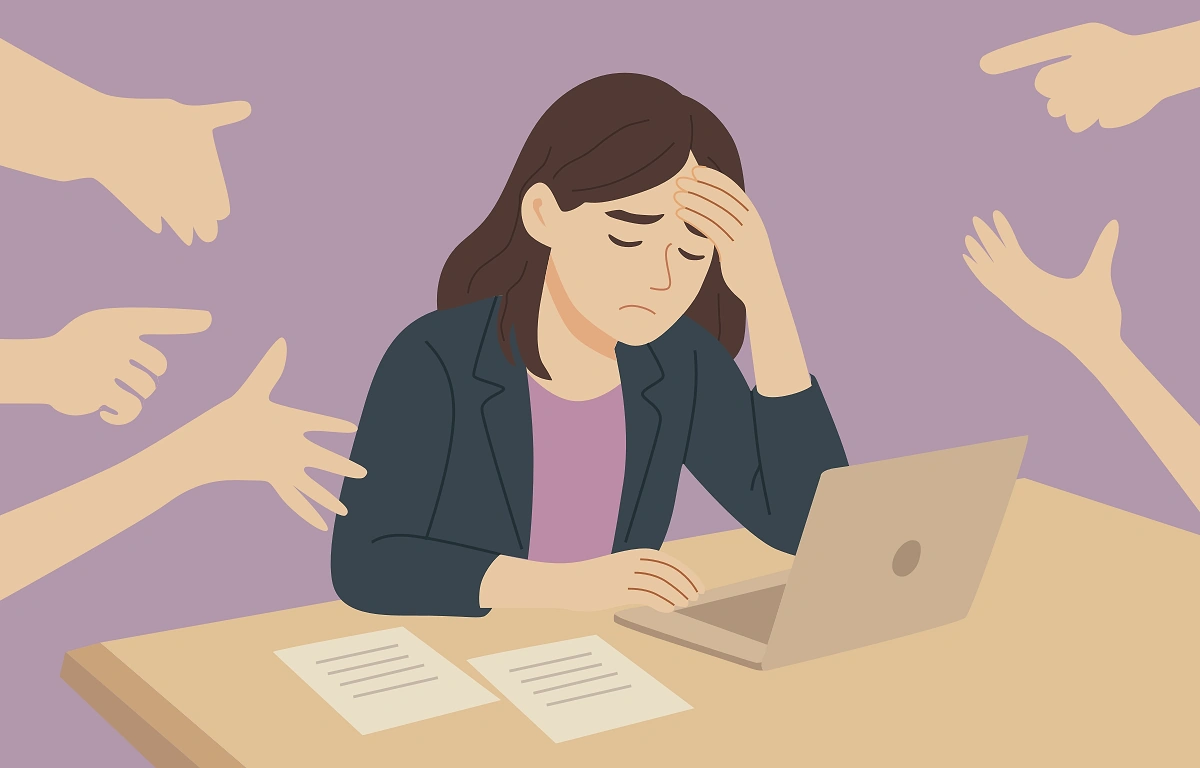
Panic attacks affect approximately 11% of Americans each year, with symptoms peaking within 10 minutes and typically resolving within 20-30 minutes (Kessler et al., 2006). While harmless medically, panic attacks feel terrifying—many people believe they're dying or losing their mind. Having a memorized protocol is essential because the cognitive impairment that accompanies panic makes it impossible to think clearly or remember techniques in the moment. This step-by-step guide provides exactly what you need when panic strikes.
Understanding Panic
A panic attack is an intense surge of fear that triggers severe physical reactions when there is no real danger. The body's fight-or-flight system activates inappropriately, flooding you with adrenaline and cortisol. Symptoms include racing heart, shortness of breath, chest tightness, tingling, dizziness, and overwhelming dread. The irony: these symptoms often trigger more fear, creating a feedback loop that intensifies the panic.
Why Standard Breathing Advice Fails
Well-meaning advice to "take a deep breath" during panic often backfires. When you're already hyperventilating, trying to inhale deeply adds more air to an already over-oxygenated system, potentially worsening symptoms. During panic, the priority is extended exhaling to raise CO2 levels and activate the parasympathetic nervous system—not deep inhaling. This protocol is specifically designed for the unique physiology of panic states.
The 5-Step Panic Protocol
Memorize these five steps. Practice them when calm so they become automatic. In a true panic attack, you may only be able to remember "Ground, Exhale, Slow, Label, Wait." That's enough.
Step 1: GROUND - Anchor to Physical Reality
What to do: Press your feet firmly into the floor. Feel the pressure. If sitting, also press your hands down on your thighs or the chair arms. If standing, widen your stance and bend your knees slightly.
Why it works: Grounding interrupts the dissociation that often accompanies panic. By focusing intensely on physical sensations in your extremities, you redirect attention from catastrophic thoughts and bring awareness back to the present moment. The pressure sensation activates the proprioceptive system, which has calming effects (Porges, 2011).
Say to yourself: "I feel my feet on the floor. I am here. I am safe."
Step 2: EXHALE - Release the Breath Completely
What to do: Don't try to inhale. Instead, push all the air out of your lungs through pursed lips, as if you're blowing through a straw. Make an audible "shhhhh" or "ffffff" sound. Empty your lungs completely.
Why it works: During panic, you're hyperventilating—breathing in too much and not exhaling fully. This drops your CO2 levels too low, causing dizziness, tingling, and increased anxiety. Exhaling fully raises CO2 and activates the vagus nerve. The long exhale is the single most important anti-panic intervention (Meuret et al., 2010).
Key point: Let the inhale happen naturally after the exhale. Don't force it. Your body will breathe in automatically when it needs to.
Step 3: SLOW - Establish Rhythm
What to do: Continue the pattern: short inhale (2-3 seconds), long exhale (6-8 seconds). Count if you can: "In... 2... 3... Out... 2... 3... 4... 5... 6... 7... 8..."
Why it works: The extended exhale rhythm maintains parasympathetic activation with each breath cycle. Counting occupies working memory, interrupting the anxious thought spiral. The rhythm itself is soothing—predictability signals safety to the nervous system (Zaccaro et al., 2018).
If counting is too hard: Just focus on making the exhale longer than the inhale. Even approximate extended exhales help.
Step 4: LABEL - Name What's Happening
What to do: Say to yourself, silently or out loud: "This is a panic attack. It is not dangerous. My body is reacting to a false alarm. It will pass."
Why it works: Cognitive labeling—naming the experience—reduces amygdala activity. Research by Lieberman et al. (2007) showed that putting feelings into words diminishes the intensity of emotional responses. By naming panic as panic, you gain distance from it and reduce its power. You remind yourself of the truth: panic attacks are uncomfortable but not dangerous.
Step 5: WAIT - Ride the Wave
What to do: Continue the grounded breathing rhythm and wait. Don't try to make the panic stop immediately. Let it peak and subside on its own, typically within 10-20 minutes.
Why it works: Fighting panic intensifies it. The more desperately you try to make it stop, the stronger the alarm signals become. Instead, adopting a "waiting posture" while maintaining the breathing rhythm allows the adrenaline to metabolize naturally. Think of panic like a wave—you cannot stop it, but you can ride it out.
Related Articles

Calm Your Nerves Instantly
Quieting Nighttime Anxiety
Grounding Through Breath
References
Kessler, R. C., et al. (2006). The epidemiology of panic attacks, panic disorder, and agoraphobia in the National Comorbidity Survey Replication. Archives of General Psychiatry, 63(4), 415-424.
Lieberman, M. D., et al. (2007). Putting feelings into words: Affect labeling disrupts amygdala activity. Psychological Science, 18(5), 421-428.
Meuret, A. E., et al. (2010). Do unexpected panic attacks occur spontaneously? Biological Psychiatry, 67(5), 422-427.
Was this article helpful?