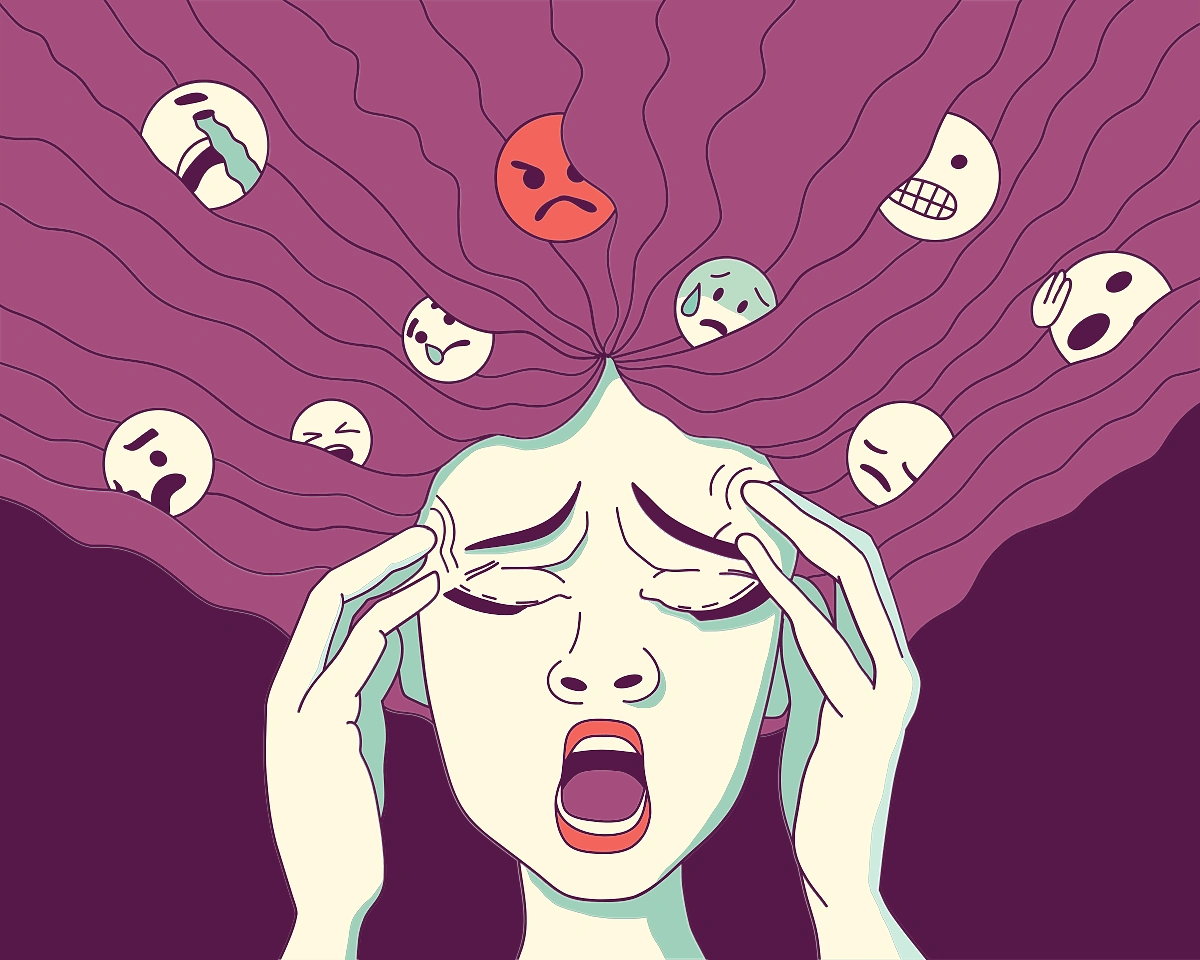
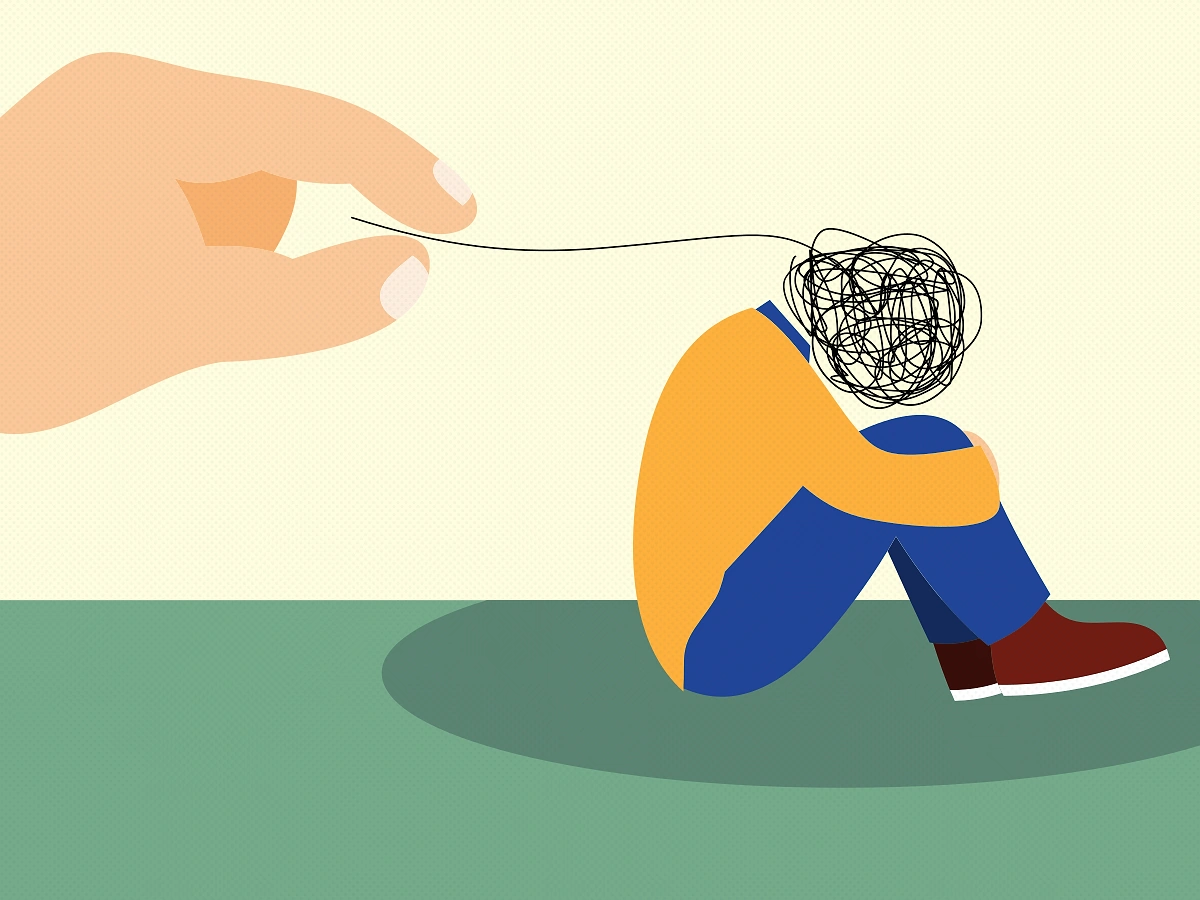
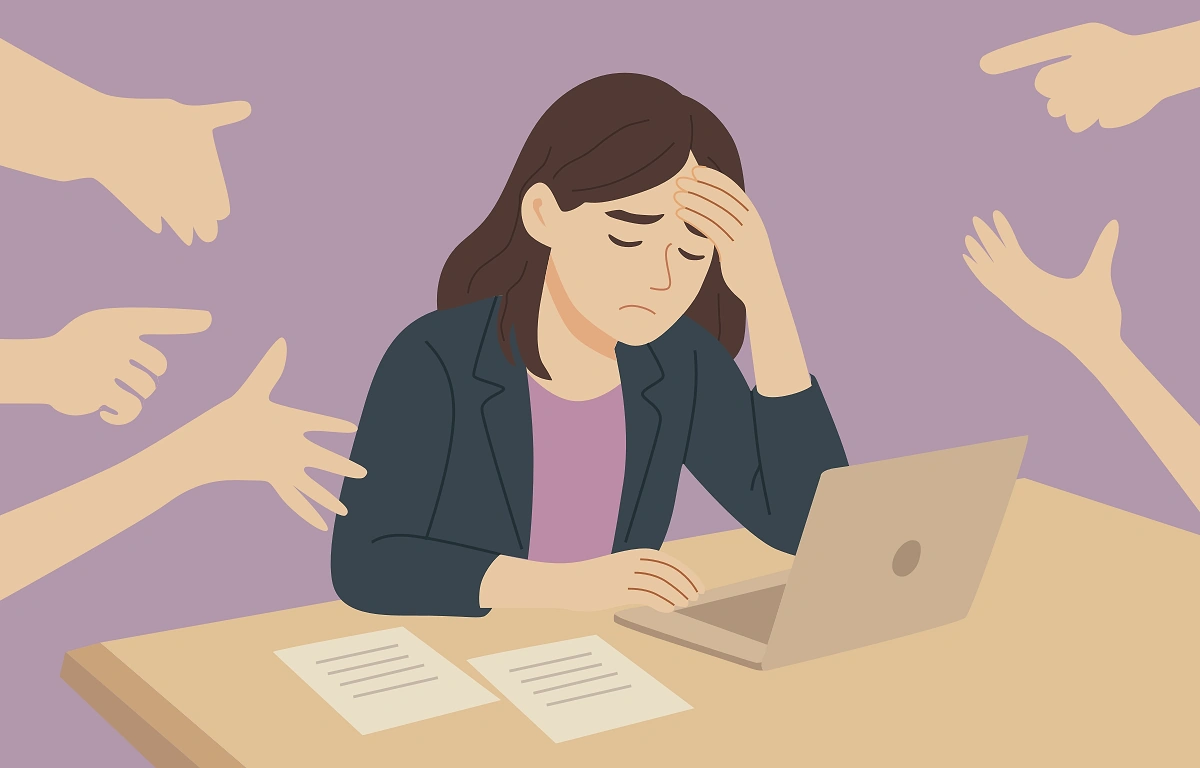
In our fast-paced world, chronic stress has become a pervasive health concern affecting millions globally. Research indicates that prolonged stress exposure can lead to significant physiological and psychological consequences (McEwen, 2017). However, emerging evidence suggests that brief, targeted breathing interventions can produce rapid and meaningful reductions in stress markers. This article explores a scientifically-grounded 60-second technique that can help you regain calm when time is limited.
Understanding the Stress Response
When we encounter a stressor, our body activates the sympathetic nervous system, triggering what is commonly known as the "fight-or-flight" response. This cascade involves the release of stress hormones including cortisol and adrenaline, which prepare the body for perceived threats (Schneiderman et al., 2005). While this response is adaptive in acute situations, chronic activation has been linked to cardiovascular disease, immune dysfunction, and mental health disorders (Cohen et al., 2007).
The Autonomic Nervous System
The autonomic nervous system comprises two branches: the sympathetic (activating) and parasympathetic (calming) systems. These systems work in dynamic balance, with the vagus nerve serving as the primary conduit for parasympathetic activity. Porges' (2011) Polyvagal Theory suggests that by engaging the vagus nerve through specific breathing patterns, we can shift our physiological state from stress to safety.
The Science of Rapid Stress Relief
Recent research has demonstrated that controlled breathing techniques can produce measurable changes in autonomic function within seconds. A landmark study by Zaccaro et al. (2018) found that slow breathing at approximately 6 breaths per minute optimally stimulates the baroreflex, a cardiovascular reflex that promotes parasympathetic activation. Similarly, Balban et al. (2023) demonstrated that cyclic sighing—a pattern of two inhales followed by an extended exhale—produced greater improvements in mood and reduced respiratory rate compared to mindfulness meditation.
Heart Rate Variability
Heart rate variability (HRV), a key indicator of autonomic flexibility and stress resilience, responds rapidly to breathing interventions. Lehrer and Gevirtz (2014) found that resonance frequency breathing—typically achieved at 4.5-7 breaths per minute—maximizes HRV amplitude and promotes vagal tone. These changes can occur within a single breathing session, providing immediate physiological benefits.
Try This Exercise
4-4-4-4 Box
Stress Dissolve1 min
Let's dissolve that stress together!
4s In
4s Out
The 60-Second Protocol
Based on the scientific literature, we have developed a brief intervention that combines controlled breathing with somatic release. This protocol can be performed anywhere and requires no special equipment or prior experience.
Phase 1: The 4-Count Reset (32 seconds)
Begin by breathing in slowly through your nose for a count of 4 seconds, then exhale smoothly through your mouth for 4 seconds. Repeat this cycle four times. This 1:1 breathing ratio has been shown to quickly activate parasympathetic pathways without requiring the extended breath holds that some find challenging (Ma et al., 2017). Focus your attention on the sensation of breath moving through your body, which engages the prefrontal cortex and interrupts rumination.
Phase 2: Somatic Shake-Out (28 seconds)
Immediately following the breathing phase, engage in gentle shaking movements. Begin with your hands, allowing them to tremble loosely, then progressively involve your arms, shoulders, and finally your whole body. This technique, drawn from Trauma Release Exercises (TRE) developed by Berceli (2008), helps discharge residual muscular tension associated with the stress response. Animals naturally engage in tremoring behavior following threat exposure; this instinctive mechanism helps reset the nervous system (Levine, 1997).
60 Seconds Total
Shake It Out
Use Anytime
Clinical Evidence and Applications
Brief breathing interventions have demonstrated efficacy across diverse populations and settings. Healthcare workers using 1-minute breathing exercises reported significant reductions in perceived stress during high-pressure shifts (Perciavalle et al., 2017). Similarly, students who practiced brief coherent breathing before examinations showed improved cognitive performance and reduced test anxiety (Paul et al., 2021). The accessibility of these techniques makes them particularly valuable for individuals who lack time for extended meditation practices.
When to Use This Technique
This 60-second protocol is most effective when applied at the first signs of stress escalation. Common applications include: before important meetings or presentations, during work transitions, after receiving difficult news, when feeling overwhelmed by tasks, and as a reset between challenging interactions. Regular practice enhances the technique's effectiveness by strengthening the neural pathways associated with self-regulation (Davidson & McEwen, 2012).
Integrating the Protocol Into Daily Life
The true power of this 60-second technique lies not in occasional use during crisis moments, but in its integration as a regular practice throughout your day. Research on habit formation suggests that linking new behaviors to existing routines dramatically increases adherence (Gardner et al., 2012). Consider anchoring this protocol to specific daily transitions: upon waking before checking your phone, at your desk before opening email, during lunch breaks, and before entering your home after work. This preventive approach helps maintain lower baseline stress levels rather than waiting until stress accumulates to intervene.
Creating Environmental Triggers
Environmental cues can serve as powerful reminders to practice stress relief. Place a small object on your desk that reminds you to breathe when you notice it. Set gentle hourly chimes on your phone or computer as breathing prompts. Some practitioners find that associating the technique with specific locations—a particular chair, a window they pass, or even the bathroom—helps establish automatic practice patterns. Over time, these environmental triggers become unconscious cues that prompt nervous system regulation without deliberate effort.
Conclusion
The convergence of neuroscience, physiology, and contemplative practice has yielded practical tools for rapid stress management. This 60-second protocol represents an evidence-based approach that respects the time constraints of modern life while delivering meaningful physiological benefits. By understanding the mechanisms underlying these techniques, practitioners can apply them with confidence and intentionality.
Related Articles
Calm Your Nerves Instantly
The Invisible Office Breath Break
The Panic Response Protocol
References
Balban, M. Y., Neri, E., Kogon, M. M., Weed, L., Nouriani, B., Jo, B., Holl, G., Zeitzer, J. M., Spiegel, D., & Huberman, A. D. (2023). Brief structured respiration practices enhance mood and reduce physiological arousal. Cell Reports Medicine, 4(1), 100895. https://doi.org/10.1016/j.xcrm.2022.100895
Berceli, D. (2008). The revolutionary trauma release process: Transcend your toughest times. Namaste Publishing.
Cohen, S., Janicki-Deverts, D., & Miller, G. E. (2007). Psychological stress and disease. JAMA, 298(14), 1685-1687. https://doi.org/10.1001/jama.298.14.1685