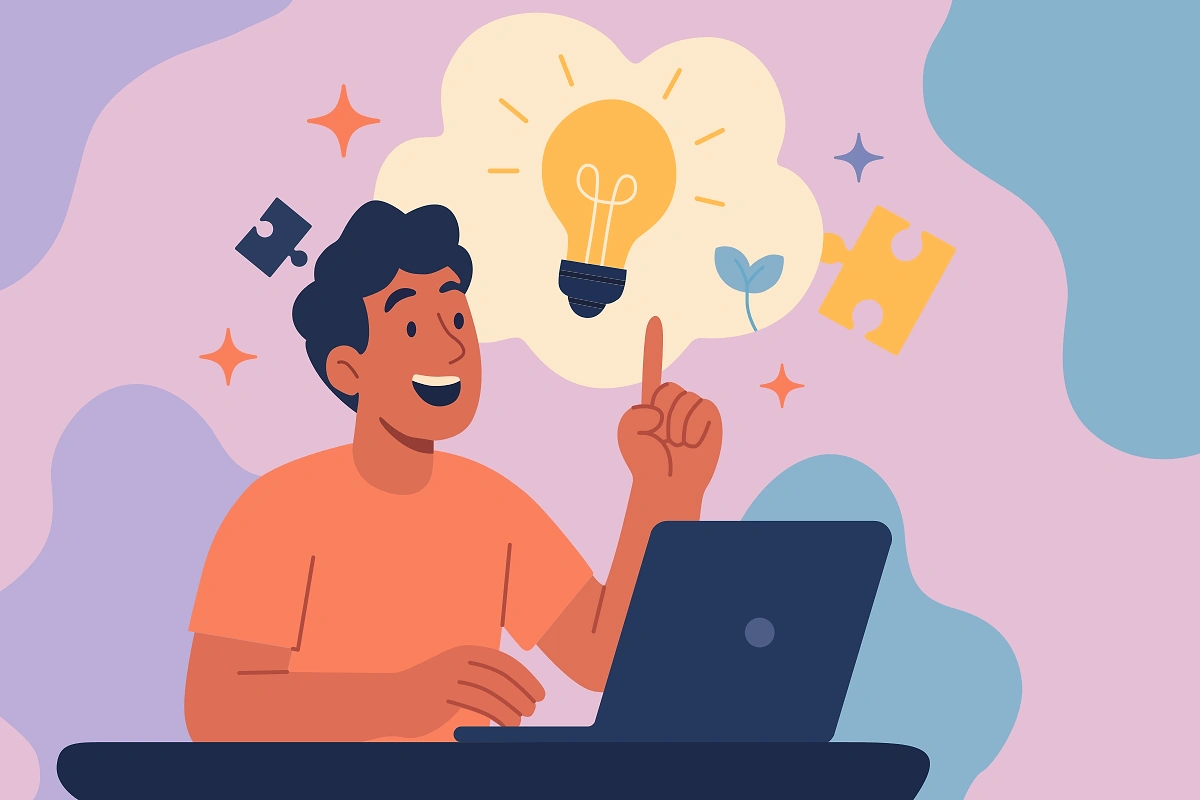
Every creative has faced it: the blank page that stays blank, the idea that won't come, the project that feels impossible to continue. Creative blocks aren't failures of imagination—they're often symptoms of nervous system dysregulation. When we're stressed, anxious, or depleted, the brain prioritizes survival over creativity. Breathwork offers a direct pathway to shift this state, releasing the grip of the analytical mind and reopening creative channels.
What Actually Causes Creative Blocks
Creative blocks rarely stem from lack of ideas. More often, they arise from fear (of failure, judgment, or success), perfectionism (the gap between vision and execution), overwhelm (too many options or pressures), or depletion (insufficient rest or self-care). Each of these triggers stress responses that narrow attention and favor habitual patterns over novel thinking. The body literally tightens, and creativity—which requires openness—cannot flow through a closed system.
The Physiology of Stuckness
When blocked, notice what happens in your body. Shoulders rise toward ears. Jaw clenches. Breath becomes shallow and irregular. These physical patterns both reflect and reinforce mental stuckness. You cannot think your way out of a creative block because thinking is often part of the problem. Instead, you must shift the body, which shifts the mind.
The Block-Breaking Breath Protocol
This protocol is designed to interrupt stuck patterns and restore creative flow. Use it whenever you feel blocked, whether at the beginning of a session or in the middle of a project.
Step 1: Acknowledge (30 seconds)
Stop trying to push through. Acknowledge that you're blocked without judgment. Say to yourself: "I'm stuck right now, and that's okay. This is temporary." This acceptance alone begins to soften resistance.
Step 2: Release (1 minute)
Take 5 deep breaths with audible exhales through the mouth. Make sound—sigh, groan, even growl. Let the exhale carry out frustration and tension. Shake your hands vigorously for 10 seconds. Roll your shoulders. Literally shake off the stuckness.
Step 3: Reset (2 minutes)
Shift to box breathing: inhale 4 counts, hold 4 counts, exhale 4 counts, hold 4 counts. Continue for 8 cycles. This pattern balances the nervous system, interrupting stress patterns and creating neurological spaciousness.
Step 4: Reconnect (1 minute)
Return to natural breathing. Ask yourself: "What do I actually want to create? Why does it matter to me?" Reconnect with your original inspiration, before fear or perfectionism complicated things. Feel the answer in your body, not just your mind.
Related Articles
Breath and Creative Flow: Unlocking Your Inner Artist
References
Cameron, J. (1992). The Artist's Way: A Spiritual Path to Higher Creativity. TarcherPerigee.
Gilbert, E. (2015). Big Magic: Creative Living Beyond Fear. Riverhead Books.
Pressfield, S. (2002). The War of Art: Break Through the Blocks and Win Your Inner Creative Battles. Black Irish Entertainment.
Was this article helpful?