
Human performance follows predictable biological cycles that most productivity systems ignore. Research on ultradian rhythms reveals that our capacity for focused work naturally fluctuates in 90-120 minute cycles throughout the day (Kleitman, 1982). By understanding these rhythms and using breath as a strategic intervention at key transition points, we can work with our biology rather than against it—achieving more while experiencing less fatigue and stress (Rossi & Nimmons, 1991). This article explores the science of biological performance cycles and practical breathing techniques to optimize them.
The Science of Ultradian Rhythms
Sleep researcher Nathaniel Kleitman discovered that the 90-minute REM cycles we experience during sleep continue throughout the day as "Basic Rest-Activity Cycles" (BRAC). During the high phase of each cycle, our minds are sharp, creative, and capable of sustained focus. During the low phase—typically lasting 15-20 minutes—cognitive function naturally dips, signaling a need for rest and recovery (Rossi, 1991).
Signs You've Hit a Low Phase
The body communicates the need for rest through subtle signals: yawning, difficulty concentrating, hunger, the urge to stretch, daydreaming, and reaching for stimulants. Most people override these signals with caffeine or willpower, accumulating "ultradian stress" that impairs afternoon performance and evening sleep quality.
Breath as a Rhythm Regulator
Controlled breathing serves as a powerful intervention at ultradian transition points. During high phases, brief breathing exercises can extend focus and prevent premature fatigue. During low phases, breathing practices accelerate recovery and prepare the system for the next productive cycle (Brown & Gerbarg, 2012).
Related Articles

Deep Focus at Work

Morning Energy Ritual
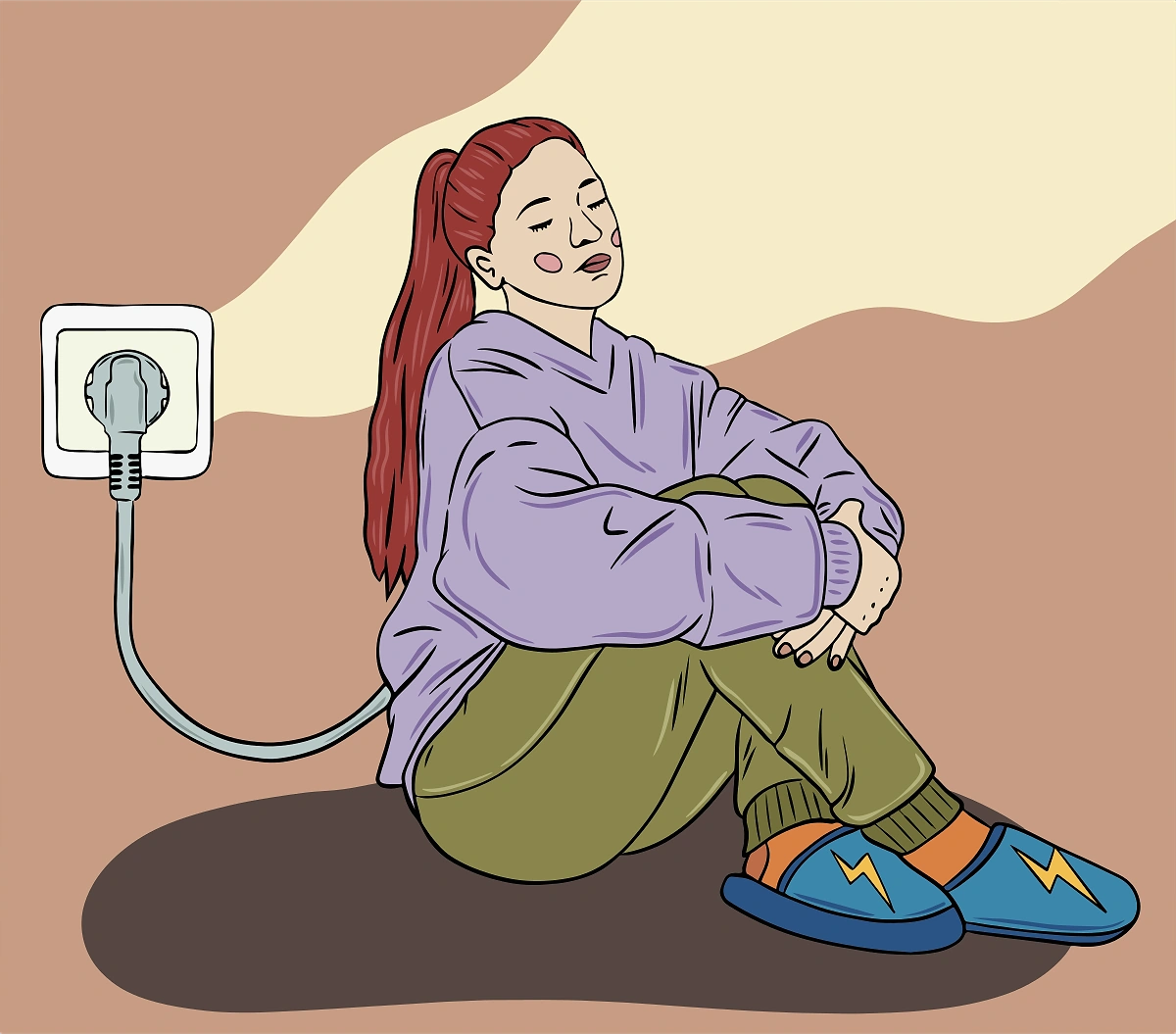
The Afternoon Energy Reset
References
Brown, R. P., & Gerbarg, P. L. (2012). The Healing Power of the Breath. Shambhala Publications.
Kleitman, N. (1982). Basic rest-activity cycle—22 years later. Sleep, 5(4), 311-317.
Rossi, E. L. (1991). The 20-minute break: Reduce stress, maximize performance, and improve health and emotional well-being using the new science of ultradian rhythms. Tarcher.
Was this article helpful?