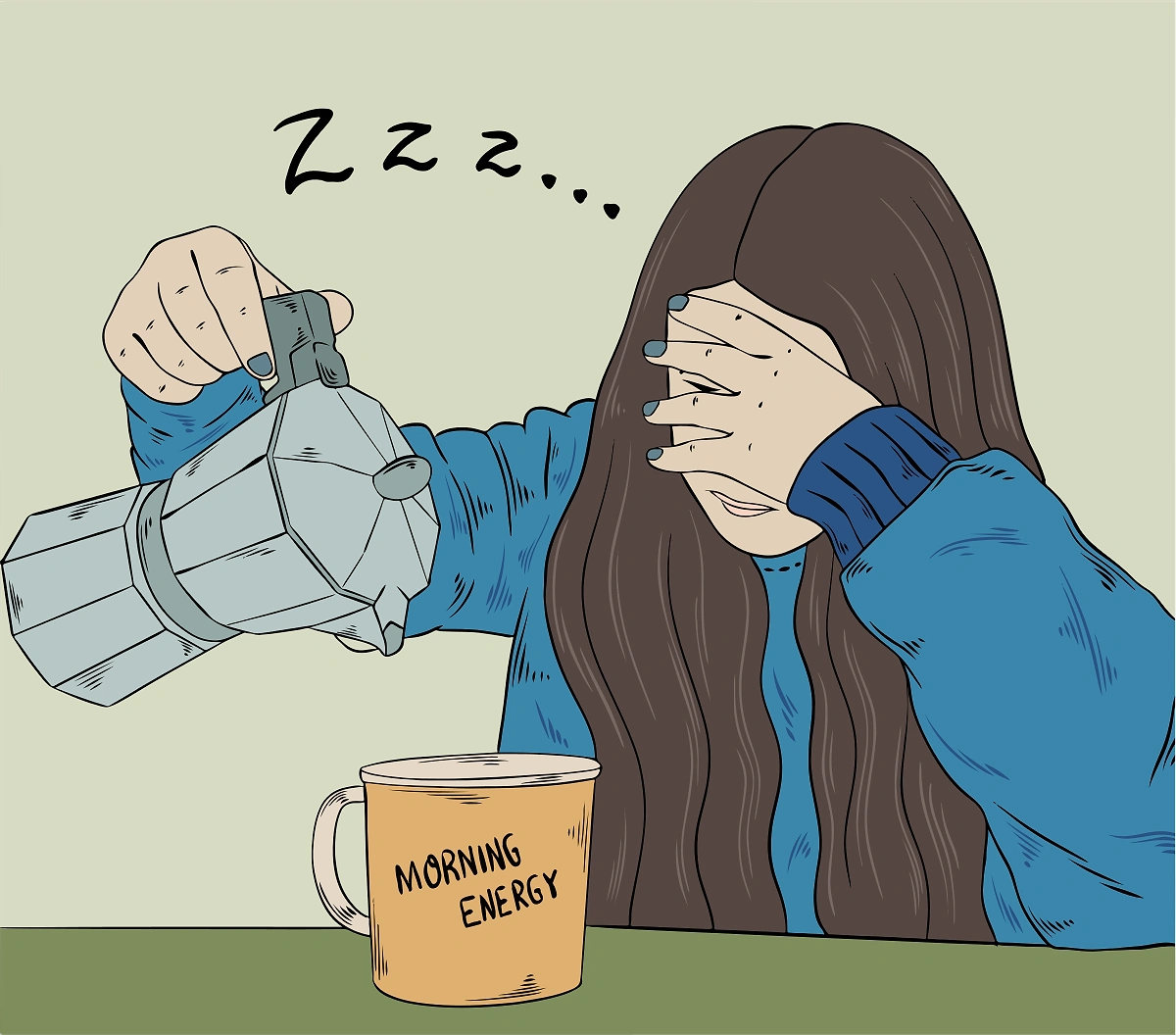
How you breathe in the first minutes of waking sets the physiological tone for your entire day. Research shows that morning breathing practices can influence cortisol awakening response (CAR), a critical hormonal cascade that affects energy, mood, and cognitive function for hours afterward (Clow et al., 2010). Unlike caffeine, which borrows energy from your future self, conscious breathing in the morning activates your body's natural energizing systems while maintaining a foundation of calm alertness.
The Morning Cortisol Cascade
Within 30-45 minutes of waking, cortisol levels naturally surge by 50-75%—a phenomenon called the cortisol awakening response (CAR). This surge prepares your body and brain for the day's demands, mobilizing glucose, sharpening attention, and priming the immune system (Fries et al., 2009). However, modern morning routines—reaching for phones, rushing through tasks, skipping breakfast—can dysregulate this natural process. Breathwork offers a way to support and optimize your CAR rather than fighting against it.
Why Morning Breathing Is Different
Your nervous system upon waking is in a unique state. Sleep involves predominantly parasympathetic activation (rest and digest), while waking requires a shift toward sympathetic engagement (alert and active). Morning breathwork can facilitate this transition smoothly rather than abruptly. Instead of jarring yourself awake with alarm clocks and stress, you guide the nervous system through a graduated activation that feels both energizing and grounded.
The Science of Energizing Breath
Certain breathing patterns reliably increase alertness and energy. Techniques with faster rhythms, shorter exhales relative to inhales, or gentle breath retention after inhale tend to activate the sympathetic nervous system (Brown & Gerbarg, 2012). However, the goal isn't maximum stimulation but optimal activation—enough energy to engage with the day while maintaining the calm presence that allows for wise decision-making.
Practice before checking your phone—the blue light and information can wait
Start while still in bed if needed—even simple breaths count
Hydrate first—your body lost water overnight through breathing
Open a window if possible—fresh air enhances the practice
Try This Exercise
4-2-3 Activation
Morning Activation5 min
Good morning! Let's activate gently together.
4s In
3s Out
The Morning Activation Protocol
This 5-minute sequence bridges the gap between sleep and full wakefulness, honoring both your need for gentle transition and your need for genuine energy.
Phase 1: Gentle Awakening (1 minute)
Before opening your eyes, take five slow, deep breaths. Feel your body in the bed. Notice the quality of your rest. There's no rush. With each breath, allow yourself to become slightly more present. This phase respects the sleep-wake transition rather than forcing it.
Phase 2: Energy Activation (2 minutes)
Sit up in bed or stand. Begin breathing with slightly more vigor: inhale for 4 counts, exhale for 3 counts. The shorter exhale relative to inhale gently tips the nervous system toward alertness. After 10 cycles, add a brief 2-count hold after each inhale. This isn't hyperventilation—maintain a rhythm you could sustain indefinitely.
Phase 3: Integration (2 minutes)
Return to equal breathing: 4 counts in, 4 counts out. Place one hand on your heart and one on your belly. Set an intention for the day—not a to-do list item, but a quality you want to embody. Perhaps "presence," "patience," or "creativity." Let this intention settle into your body with each breath. Conclude with three deep breaths, feeling ready to begin.
Building the Morning Habit
Research on habit formation shows that "stacking" new habits onto existing routines increases success dramatically (Clear, 2018). Link your morning breathing to something you already do automatically—after your alarm but before getting out of bed, or after brushing your teeth. The key is consistency: five minutes every morning creates more benefit than twenty minutes occasionally.
Common Morning Obstacles
The most common obstacle to morning breathwork isn't lack of time—it's reaching for your phone first. That single action floods your brain with information, triggers stress responses, and shifts you into reactive mode before you've had a chance to set the day's tone proactively. Consider keeping your phone outside the bedroom, or at minimum, commit to your breathing practice before checking any screens. The emails will still be there in five minutes.
Advanced Morning Breath Variations
Once the basic morning protocol becomes second nature, you can explore variations that target specific needs. For days requiring intense focus, try extending the energy activation phase with breath holds of 4-6 counts after each inhale—this increases CO2 tolerance and primes the brain for concentration. For days when you feel emotionally fragile, emphasize the gentle awakening phase, adding humming exhales that activate the vagus nerve and promote emotional stability. The core principle remains consistent: honor the transition from sleep to wakefulness while tailoring the practice to serve your current needs.
Seasonal Adjustments to Morning Practice
Your morning breath practice may need adjustment across seasons. Winter mornings, with their darkness and cold, often require more energizing techniques to counteract the body's natural desire to hibernate. Summer mornings, with early light and warmth, may call for gentler practices that prevent overstimulation. Pay attention to how your body responds differently throughout the year, and don't hesitate to modify timing and intensity accordingly. Some practitioners find value in tracking these seasonal patterns in a simple journal to refine their approach over time.
Conclusion
Your morning breath is the first act of your day—make it intentional. Five minutes of conscious breathing before the rush begins can transform your relationship with mornings from dreaded to welcomed, from chaotic to clear. The practice isn't about becoming a morning person or adding another task to your list. It's about honoring the transition from rest to activity, giving your nervous system what it needs to serve you well throughout the hours ahead.
Related Articles
Deep Focus at Work
Setting Your Daily Intention Through Breath
References
Brown, R. P., & Gerbarg, P. L. (2012). The Healing Power of the Breath. Shambhala Publications.
Clear, J. (2018). Atomic Habits. Avery.
Clow, A., Hucklebridge, F., Stalder, T., Evans, P., & Thorn, L. (2010). The cortisol awakening response: More than a measure of HPA axis function. Neuroscience & Biobehavioral Reviews, 35(1), 97-103.