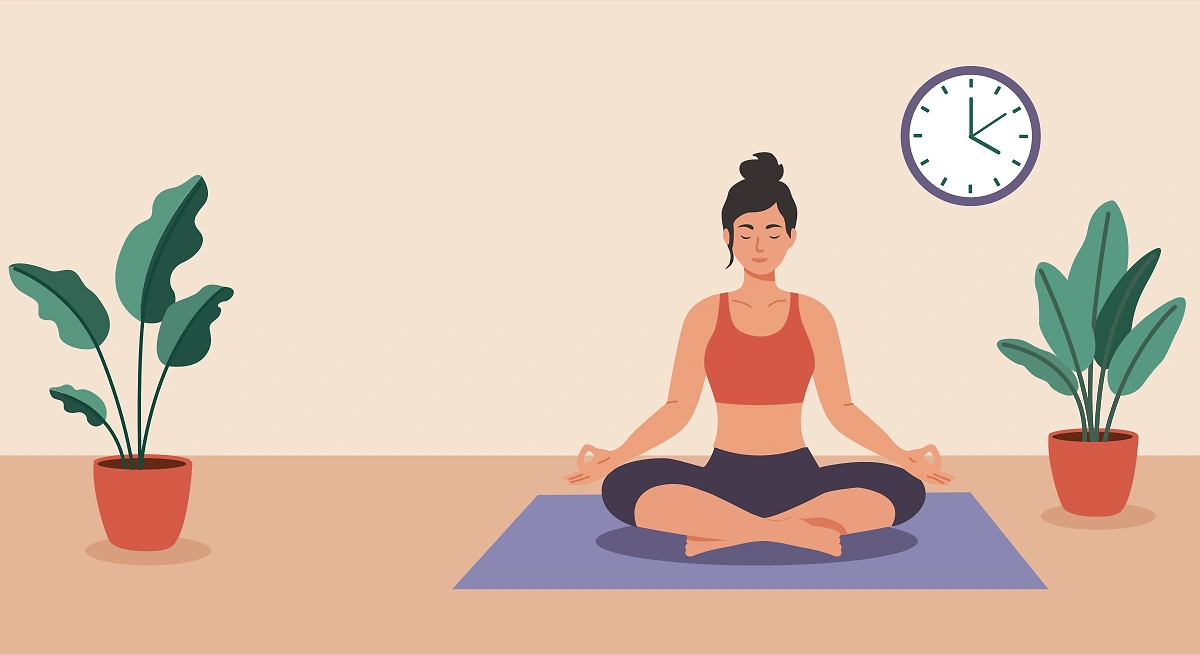
An intention is not a goal, a plan, or a wish—it's a quality of being you want to bring to whatever arises. Research in implementation intentions shows that when people set clear intentions, their follow-through increases dramatically (Gollwitzer & Sheeran, 2006). Combining intention-setting with breath anchors the intention in the body rather than leaving it as an abstract mental concept, significantly increasing the likelihood that you'll actually embody it throughout the day.
Intention vs. Goal
Goals are destination-oriented: lose weight, finish project, earn promotion. Intentions are process-oriented: be present, stay curious, respond with kindness. Goals live in the future; intentions live in the now. Both have value, but intentions offer something goals cannot: a guide for how to be in each moment regardless of circumstances. Your day will bring unexpected challenges, interruptions, and surprises. Goals can't prepare you for these; intentions can.
The Neuroscience of Intention
When you set an intention, you prime specific neural networks to activate when relevant situations arise. Neuroimaging studies show that stated intentions create what researchers call "prospective memory"—the brain becomes sensitized to notice opportunities for the intended behavior (Burgess et al., 2011). By combining intention with breath, you're not just thinking about your intention but embodying it, creating both cognitive and somatic pathways for activation.
Choosing Your Intention
Effective intentions are specific enough to guide behavior but broad enough to apply across varied situations. "Be patient" works better than "don't get frustrated in the meeting." "Stay curious" works better than "learn something new." The best intentions often arise from noticing what's been missing recently. If you've been reactive, your intention might be "pause." If you've been anxious, it might be "trust." Let your life inform your choice.
Choose ONE intention per day—clarity beats complexity
Let it arise naturally—force leads to resistance
Use the same intention for several days if it resonates
Write it down—the act of writing deepens encoding
Try This Exercise
4-6 Pattern
Calm Breath2 min
Breathe with me!
4s In
6s Out
The Intention-Breath Practice
This 3-minute practice plants your intention in the body so it can bloom throughout the day.
Centering (30 seconds)
Sit comfortably with your spine upright. Close your eyes. Take three deep breaths to arrive fully in this moment. Feel the weight of your body, the touch of air on your skin. Let go of past and future. You are here, now, about to begin your day.
Inquiry (30 seconds)
Ask yourself: "What quality do I want to bring to this day?" Don't force an answer—let it arise. It might come as a word, an image, or a feeling. Common intentions include presence, patience, courage, compassion, curiosity, ease, focus, joy, and kindness. If nothing arises, choose based on what's been challenging lately.
Embodiment (90 seconds)
With your intention identified, breathe it into your body. On each inhale, silently say the word. On each exhale, feel it spreading through you. Imagine the quality suffusing every cell. If your intention is "patience," feel patience in your belly, your shoulders, your hands. After 8-10 breaths, place your hand on your heart and make a simple commitment: "Today, I choose [intention]."
Anchoring (30 seconds)
Create a physical anchor for your intention. Touch your thumb to a specific finger, press your palm to your chest, or touch your heart. This gesture becomes a recall mechanism—when you make this gesture later in the day, it brings your intention back to awareness. Practice the gesture now while holding the intention clearly in mind.
Carrying Intention Through the Day
An intention set once in the morning will naturally fade amid daily demands. The key is strategic recall. Set gentle reminders: a note on your computer, a recurring phone alert (using a word rather than an alarm), or a physical object placed where you'll see it. Each time you notice the reminder, take one conscious breath and reconnect with your intention. These brief touchpoints keep the intention alive.
Evening Reflection
At day's end, spend one minute reviewing. Don't judge yourself—simply notice. Were there moments when you embodied your intention? Moments when you forgot it entirely? What made the difference? This reflection isn't about guilt but learning. Each day's practice informs tomorrow's intention, creating an upward spiral of self-awareness and intentional living.
Intention Themes for Different Life Seasons
Different phases of life call for different intentions. During periods of stress or transition, intentions like "patience," "trust," or "surrender" help you navigate uncertainty with grace. When building new projects or relationships, consider "courage," "openness," or "persistence." In times of recovery or healing, "gentleness," "self-compassion," or "rest" may serve you better. By matching your intention to your current life season, you create alignment between your inner practice and outer circumstances, making embodiment more natural and sustainable.
Working with Resistant Intentions
Sometimes the intention you most need is the one that feels most difficult. If you resist setting an intention around "receiving," that resistance itself is information—perhaps you've been giving too much. If "stillness" feels unbearable, you may need it most. Notice which qualities create internal friction when you consider them; these often point toward growth edges. Approach resistant intentions with curiosity rather than force, perhaps starting with smaller doses and gradually increasing as the quality becomes more familiar to your system.
Conclusion
Intention-setting through breath transforms abstract aspiration into embodied commitment. The practice takes less than five minutes but shapes the entire day that follows. Over time, daily intention practice doesn't just change what you do—it changes who you become. The qualities you repeatedly intend gradually become your default way of being. You are, quite literally, breathing yourself into the person you want to be.
Related Articles
The Power of Morning Breath Work
Mindful Breathing Basics
Meditation for Beginners
References
Burgess, P. W., Gonen-Yaacovi, G., & Volle, E. (2011). Functional neuroimaging studies of prospective memory: What have we learnt so far? Neuropsychologia, 49(8), 2246-2257.
Gollwitzer, P. M., & Sheeran, P. (2006). Implementation intentions and goal achievement: A meta-analysis of effects and processes. Advances in Experimental Social Psychology, 38, 69-119.