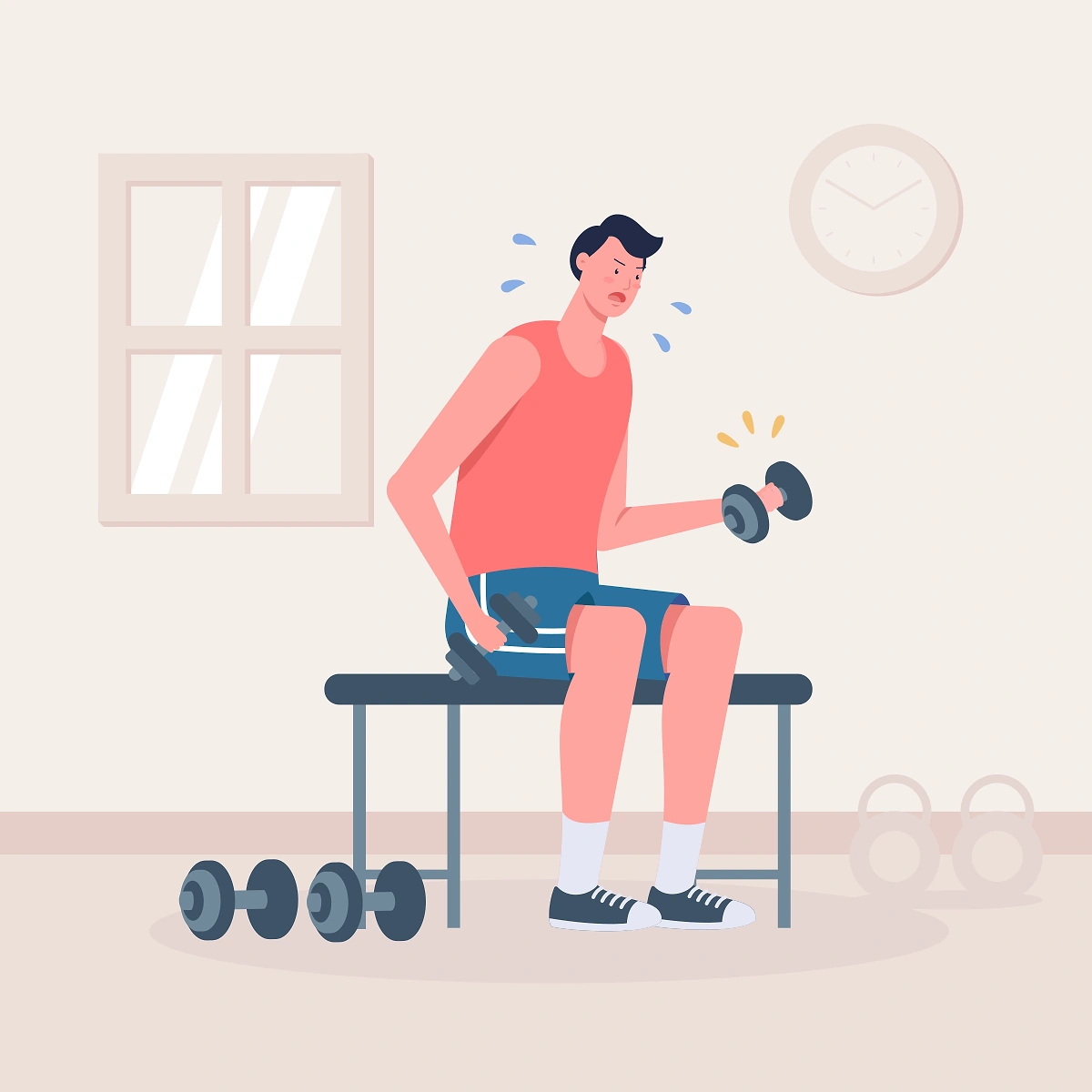
Strength training demands more than just physical readiness—it requires mental focus, proper muscle activation, and optimal oxygen delivery. Research demonstrates that strategic breathing before resistance training can enhance performance by up to 15% through improved neuromuscular recruitment and reduced perceived exertion (Hackett et al., 2018). This article presents a scientifically-grounded pre-lift breathing protocol used by competitive powerlifters and strength coaches worldwide.
The Mind-Muscle Connection
Before you touch a weight, your brain must be prepared to recruit the right muscle fibers in the right sequence. This neuromuscular coordination—often called the mind-muscle connection—is significantly enhanced when the nervous system is optimally aroused but not over-activated. Breathing techniques that balance sympathetic activation with parasympathetic control create this ideal state.
Oxygen and Strength Output
Muscle contractions require ATP, and ATP production depends on oxygen availability. Pre-workout breathing that emphasizes full diaphragmatic expansion increases oxygen saturation and primes the cardiovascular system for the demands of resistance training. Studies show that athletes who practice intentional breathing before lifting demonstrate improved rep quality and faster recovery between sets (Illi et al., 2012).
The Pre-Lift Activation Protocol
This 3-minute protocol should be performed 5-10 minutes before your first working set. Find a quiet corner of the gym or perform it before leaving the locker room.
Phase 1: Centering Box Breath (90 seconds)
Stand or sit with spine straight. Inhale through your nose for 4 counts, expanding your belly and lower ribs. Hold for 4 counts with relaxed shoulders. Exhale for 4 counts through pursed lips. Hold empty for 4 counts. Complete 5-6 cycles. This establishes nervous system balance and mental clarity.
Phase 2: Activation Breaths (60 seconds)
Shift to energizing breaths: inhale sharply through the nose for 2 counts, exhale forcefully through the mouth for 1 count. Increase intensity gradually. This activates the sympathetic nervous system and prepares your body for explosive effort. Complete 15-20 cycles.
Related Articles

Pre-Cardio Breathing: Optimize Your Aerobic Sessions

Sports Performance: Breathwork for Competition
References
Hackett, D. A., Chow, C. M., & Haff, G. G. (2018). The Valsalva maneuver: Its effect on intra-abdominal pressure and safety issues during resistance exercise. Journal of Strength and Conditioning Research, 32(5), 1471-1478.
Illi, S. K., Held, U., Frank, I., & Spengler, C. M. (2012). Effect of respiratory muscle training on exercise performance in healthy individuals. Sports Medicine, 42(8), 707-724.
Was this article helpful?