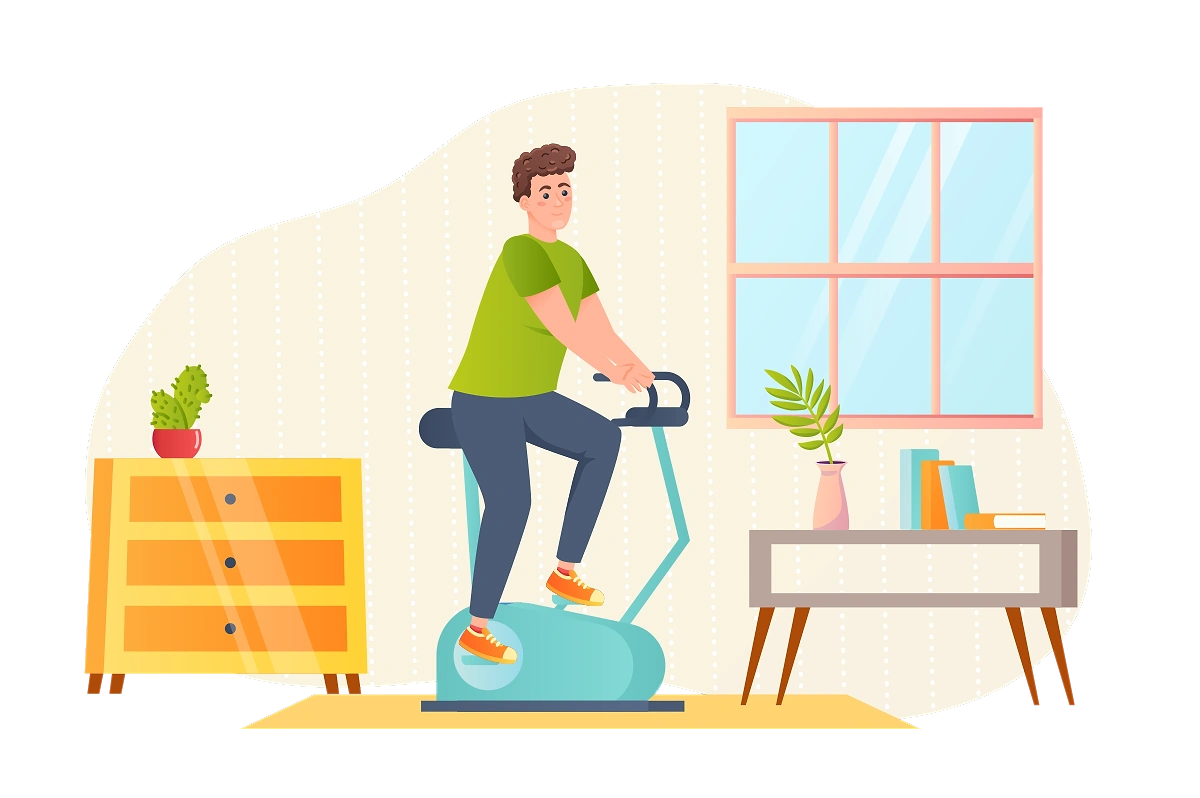
A proper warm-up prepares every system in your body for exercise—cardiovascular, muscular, and neurological. Yet most warm-up routines neglect the respiratory system entirely. Integrating breathing into your warm-up enhances oxygen delivery, improves movement quality, and creates the mental state necessary for an effective workout. This article presents a complete breathing-integrated warm-up routine suitable for any training session.
Beyond Stretching and Jogging
Traditional warm-ups focus on increasing heart rate and muscle temperature. While important, these approaches miss a crucial opportunity: using the warm-up period to establish optimal breathing patterns and prepare the respiratory system for exertion. A breathing-integrated warm-up addresses all systems simultaneously, creating better overall preparation in the same amount of time.
The Respiratory System Needs Warm-Up Too
Your diaphragm is a muscle—in fact, it's one of the most important muscles for athletic performance. Like any muscle, it functions better when properly warmed up. Cold respiratory muscles are less elastic, less coordinated, and more prone to fatigue. A few minutes of intentional breathing prepares these muscles for the demands ahead.
The Integrated Warm-Up Routine
This 8-minute routine combines movement and breath to create comprehensive preparation. It progresses from calm and controlled to activated and ready.
Minutes 1-2: Breathing Reset
Stand or sit comfortably. Practice 360-degree breathing: expand your belly, sides, and back with each inhale. Exhale completely, gently engaging your core. 6-8 breaths per minute. This establishes diaphragmatic mechanics and creates mental focus.
Minutes 3-4: Breath-Movement Integration
Begin gentle movement (arm circles, hip circles, light walking). Coordinate breath with movement: inhale as you expand or reach, exhale as you contract or lower. This builds the breath-movement connection essential for quality exercise.
Minutes 5-6: Dynamic Mobility with Breath
Perform dynamic stretches (leg swings, torso rotations, walking lunges). Use inhales to create space in the stretch, exhales to deepen it. Breath rate naturally increases with movement intensity.
Minutes 7-8: Activation Breathing
Increase movement intensity to 60-70% of workout level. Breathing becomes more vigorous but remains controlled. Add 30 seconds of power breaths (sharp inhales, forceful exhales) to fully activate the sympathetic nervous system. You're now ready for high-intensity work.
Related Articles
Breathe Before Lifting: Pre-Strength Training Protocol

Pre-Cardio Breathing: Optimize Your Aerobic Sessions
References
Bishop, D. (2003). Warm up I: Potential mechanisms and the effects of passive warm up on exercise performance. Sports Medicine, 33(6), 439-454.
McGowan, C. J., Pyne, D. B., Thompson, K. G., & Rattray, B. (2015). Warm-up strategies for sport and exercise: Mechanisms and applications. Sports Medicine, 45(11), 1523-1546.
Was this article helpful?