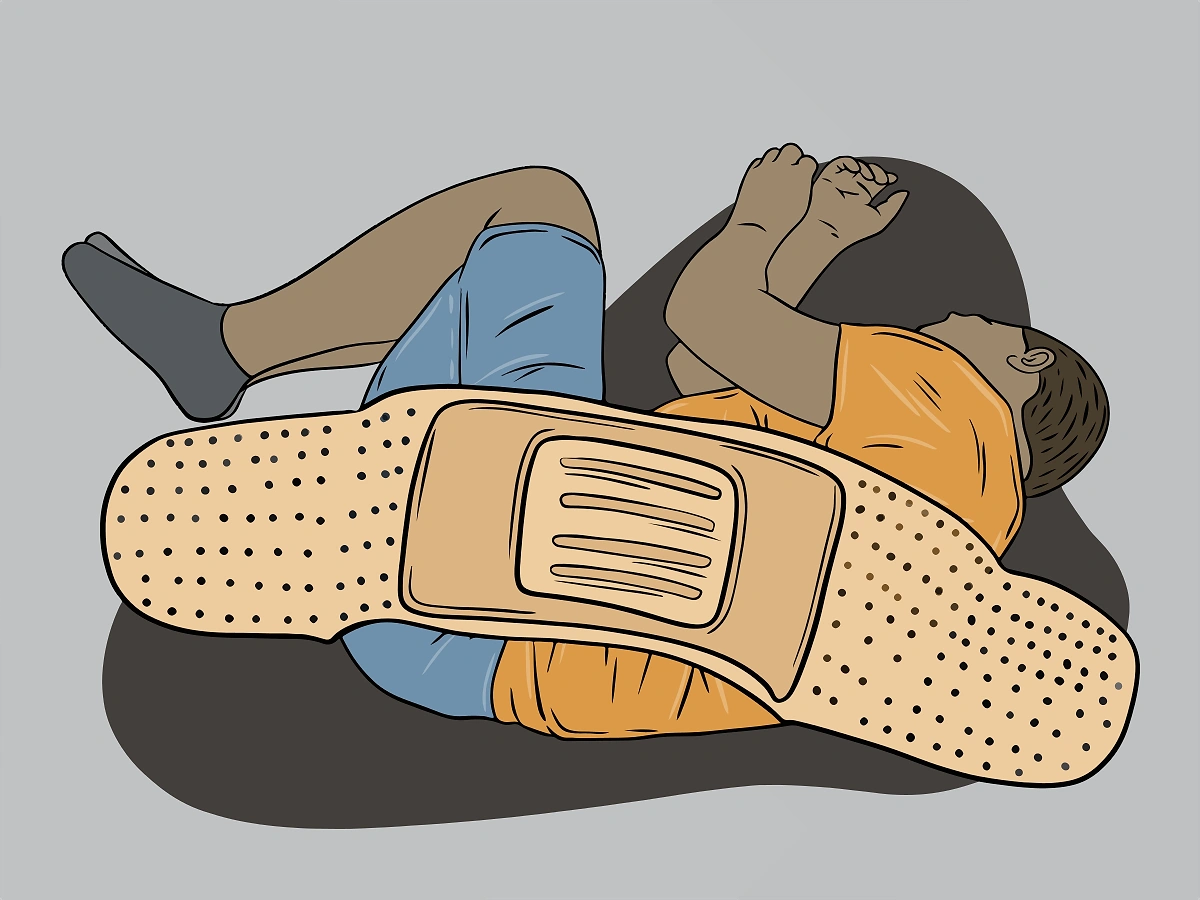
Muscle recovery is fundamentally an oxygen-dependent process. The repair of damaged muscle fibers, clearance of metabolic waste, and synthesis of new proteins all require abundant oxygen supply. Research demonstrates that deep diaphragmatic breathing can increase oxygen delivery to tissues by up to 25% while simultaneously activating the parasympathetic nervous system, which governs recovery processes (Bernardi et al., 2001). This targeted breathing approach accelerates healing while reducing the soreness and stiffness that follow intense training.
The Science of Muscle Recovery
After exercise, your muscles undergo a complex repair process. Damaged muscle fibers must be cleared, inflammation must be managed, and new protein synthesis must occur to rebuild stronger tissue. Each of these processes depends heavily on adequate oxygen supply and the right hormonal environment—both of which breathing directly influences (Peake et al., 2017).
Oxygen Delivery and Repair
Oxygen is the primary fuel for the aerobic energy system that powers muscle repair. Unlike the quick, oxygen-free energy of intense exercise, recovery requires sustained aerobic metabolism. Deep breathing maximizes oxygen saturation in the blood and, through relaxation of blood vessels (vasodilation), improves delivery to recovering muscles. The difference between shallow and deep breathing can significantly impact how quickly muscles recover.
The Lymphatic System
Unlike the circulatory system, the lymphatic system—responsible for clearing metabolic waste—has no pump. It relies on muscle contractions and breathing movements to move fluid. Deep diaphragmatic breathing creates a pumping action that accelerates lymphatic flow, helping clear the cellular debris and inflammatory byproducts that contribute to soreness.
The Parasympathetic Recovery Advantage
Muscle repair occurs primarily during parasympathetic (rest-and-digest) nervous system dominance. Growth hormone release, protein synthesis, and anti-inflammatory processes all increase when the body is in a calm, recovered state. Deep breathing is one of the most direct ways to shift into this state.
Cortisol and Recovery
Cortisol, the stress hormone, is catabolic—it breaks down tissue, including muscle. While some cortisol elevation during exercise is normal and even beneficial, chronic elevation impairs recovery. Extended exhale breathing reduces cortisol levels, creating the hormonal environment that favors muscle building (anabolic state) over muscle breakdown (Jerath et al., 2015).
Try This Exercise
5-5-5-5 Deep
Deep Calm5 min
Healing starts with a breath
5s In
5s Out
The 10-Minute Muscle Recovery Protocol
This protocol is designed to be performed within 2 hours after training, ideally in a quiet, comfortable environment. It combines deep diaphragmatic breathing with focused attention on recovering muscles.
Setup
Position: Lie flat on your back with knees bent and feet flat on the floor (this relaxes the lower back and allows full diaphragmatic movement). Place a small pillow under your head if needed.
Hands: Place both hands on your lower belly, just below the navel. Your hands will provide feedback about breathing depth and serve as a focus point for awareness.
Phase 1: Settling (2 minutes)
Begin with natural breathing, simply observing your breath without changing it. Notice the rise and fall of your hands. Close your eyes. Let your body sink into the floor with each exhale. Allow any residual tension from the workout to begin releasing.
Phase 2: Deep Diaphragmatic Breathing (5 minutes)
The breath: Inhale slowly through your nose for 5-6 counts, directing the breath into your lower belly. Your hands should rise significantly—aim for your belly to expand like a balloon. The chest should remain relatively still.
The exhale: Exhale slowly through your nose for 6-8 counts, feeling your belly naturally fall. Don't push the air out; let it release passively.
The rhythm: Establish a steady, comfortable rhythm. Each breath cycle should take about 12-15 seconds (approximately 4-5 breaths per minute). This rate is optimal for parasympathetic activation.
Phase 3: Targeted Recovery Breathing (3 minutes)
Muscle focus: While maintaining the deep breathing rhythm, direct your attention to the muscles you trained. Imagine that with each inhale, oxygen-rich blood is flowing directly to those muscles. With each exhale, imagine tension, soreness, and metabolic waste leaving those tissues.
The visualization: Picture the recovering muscles being bathed in warmth and oxygen. This isn't merely psychological—research shows that focused attention can increase blood flow to specific body regions (Kerr et al., 2013). By combining breath with attention, you amplify the recovery effect.
Enhancing the Protocol
Several additions can improve the effectiveness of recovery breathing:
Lie flat with knees bent for optimal diaphragm movement
Hands on belly provide feedback and focus attention
Full 10 minutes minimum—recovery processes need time
Warmth helps—use a blanket or heated room if available
Quiet environment reduces cortisol and enhances relaxation
Timing Your Recovery Breathing
While recovery breathing is beneficial any time after training, certain windows are particularly effective:
Immediately Post-Workout
The first 30 minutes after exercise is a critical window when the body is primed for recovery signaling. Even a shortened 5-minute version of this protocol immediately post-workout can initiate recovery processes faster.
Before Sleep
The majority of muscle repair occurs during sleep, when growth hormone release peaks. Performing recovery breathing in bed before sleep prepares the body for maximal recovery during the night.
The Morning After
If you wake up sore, a morning recovery breathing session can reduce perceived soreness and improve mobility for the day ahead. The combination of oxygen delivery and parasympathetic activation helps manage delayed onset muscle soreness (DOMS).
Combining with Other Recovery Modalities
Recovery breathing complements other recovery techniques. Pair it with gentle stretching—breathe into the stretch, exhale to release deeper. Use it during foam rolling—long exhales help muscles release under pressure. Practice it while using compression garments—the breathing enhances the circulation benefits.
Understanding Your Body's Recovery Signals
As you develop a consistent recovery breathing practice, you will become more attuned to your body's recovery signals. Notice how your muscles feel before, during, and after each session—the quality of tension, areas of lingering soreness, and the overall sense of readiness. This heightened body awareness extends beyond your breathing sessions, helping you make better decisions about training intensity, rest needs, and when to push versus when to back off. Athletes who develop this sensitivity often report fewer injuries and more consistent progress over time.
Journaling Your Recovery Progress
Consider keeping a brief recovery journal to track patterns and optimize your practice. Note which muscle groups you trained, your perceived soreness level before and after breathing sessions, and any observations about what enhanced or diminished the effectiveness of your practice. Over several weeks, patterns will emerge—perhaps certain breathing positions work better for specific muscle groups, or certain times of day produce better results. This personalized data becomes invaluable for refining your recovery approach.
Conclusion
Muscle recovery is not passive waiting—it's an active process that can be significantly enhanced through targeted breathing. The 10-minute recovery protocol combines the physiological benefits of deep oxygenation, lymphatic pumping, and parasympathetic activation with the focused attention that directs these benefits to recovering muscles. Integrate this practice into your post-training routine and watch your recovery times improve, your soreness diminish, and your readiness for the next session increase.
Related Articles
Post-Workout Breathing Recovery
Breathe Through Your Body
The Rest Day Breathing Ritual
References
Bernardi, L., et al. (2001). Effect of breathing rate on oxygen saturation and exercise performance in chronic heart failure. The Lancet, 351(9112), 1308-1311.
Jerath, R., et al. (2015). Self-regulation of breathing as a primary treatment for anxiety. Applied Psychophysiology and Biofeedback, 40(2), 107-115.
Kerr, C. E., et al. (2013). Mindfulness starts with the body: Somatosensory attention and top-down modulation of cortical alpha rhythms in mindfulness meditation. Frontiers in Human Neuroscience, 7, 12.