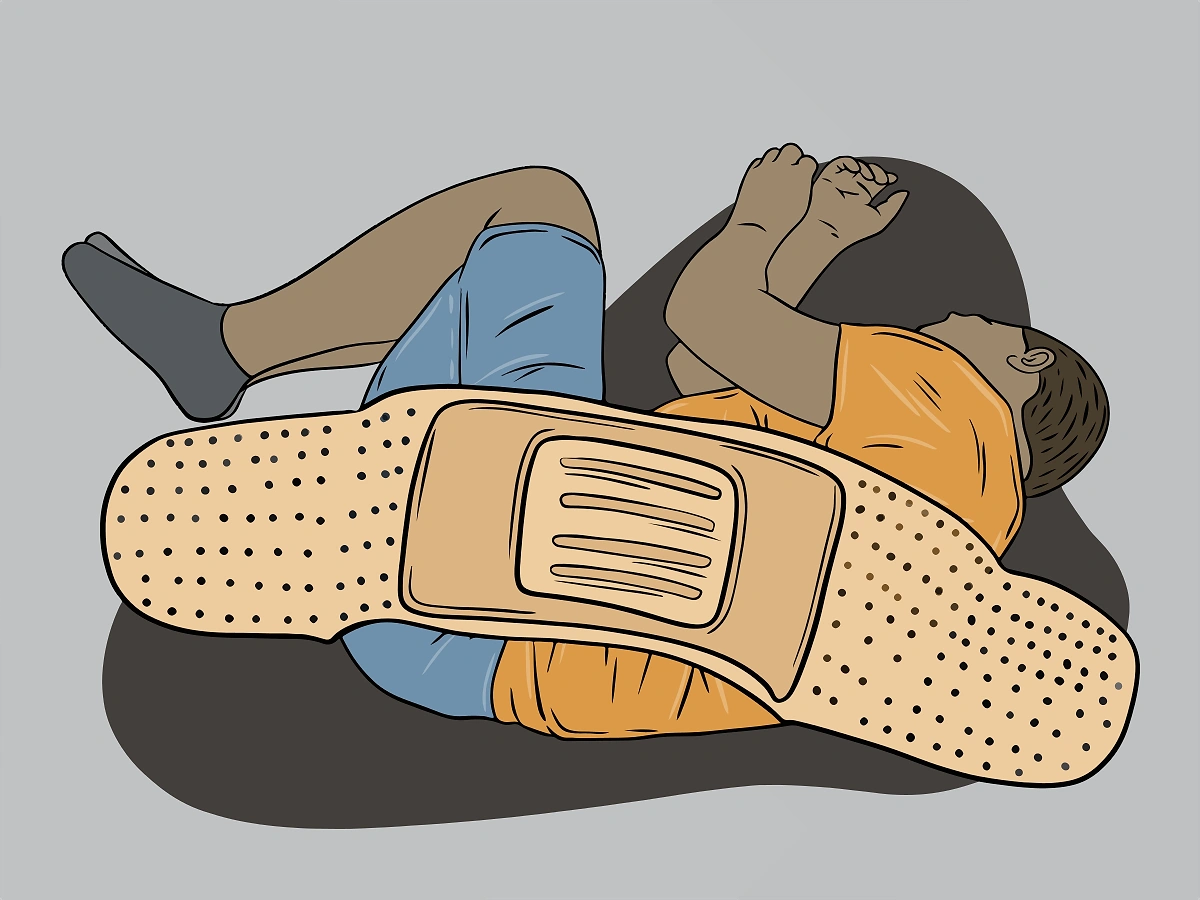
Elite athletes and exercise physiologists have long known that the cooldown is as important as the workout itself. Research shows that structured post-exercise breathing can reduce recovery time by up to 30%, decrease delayed onset muscle soreness (DOMS), and improve next-day performance (Dupuy et al., 2018). Yet most people skip their cooldown or do it haphazardly. This protocol transforms those critical post-workout minutes into a powerful recovery accelerator.
Why Breath Matters Post-Exercise
During intense exercise, your body accumulates an "oxygen debt"—the gap between oxygen demand during exercise and actual oxygen consumption. This debt must be repaid during recovery. Additionally, exercise elevates cortisol and adrenaline, keeps heart rate elevated, and creates an acidic environment in muscles from lactic acid accumulation. Strategic breathing addresses all of these simultaneously (Menzies et al., 2013).
The Sympathetic-Parasympathetic Shift
Exercise is a sympathetic nervous system activity—fight-or-flight mode. Recovery is a parasympathetic activity—rest-and-digest mode. Many people stay in sympathetic dominance long after their workout ends, which delays recovery. Deliberate breathing is the fastest way to flip this switch, signaling to your body that the stress is over and repair can begin.
The Science of Post-Exercise Recovery
Your body's recovery involves multiple physiological processes that breathing directly influences: clearing metabolic byproducts, reducing inflammation, restoring heart rate variability, and shifting hormonal balance from catabolic (breaking down) to anabolic (building up) states.
Heart Rate Variability (HRV)
HRV—the variation in time between heartbeats—is a key marker of recovery status. High HRV indicates good recovery; low HRV suggests the body is still stressed. Slow, extended exhale breathing is one of the most effective ways to rapidly increase HRV post-exercise. Studies show that just 5 minutes of structured breathing can restore HRV faster than passive rest alone (Laborde et al., 2017).
Lactate Clearance
Lactic acid (lactate) accumulates during intense exercise and contributes to that burning sensation in muscles. While the body clears lactate naturally, deep breathing accelerates this process by improving blood flow and oxygen delivery to working muscles. The faster lactate clears, the sooner your muscles feel recovered.
Try This Exercise
4-8 Recovery
Post-Workout Recovery2 min
Great workout! Let's shift into recovery mode.
4s In
8s Out
The 5-Minute Recovery Sequence
This protocol uses progressively slower breathing to guide your nervous system from exercise mode to recovery mode. Each phase builds on the previous one.
Preparation
Position: Immediately after your workout, find a place to lie flat on your back—a yoga mat, the ground, even a bench. Lying down is important because it eliminates the work of maintaining upright posture and maximizes blood flow to your core and muscles. If lying down isn't possible, sit with your back supported.
Hands: Place one hand on your chest, one on your belly. This provides feedback about breathing depth and pattern.
Minute 1: Natural Pace
Begin with your natural breathing pace—don't force anything yet. Simply breathe through your nose and observe your breath starting to slow naturally. Heart rate is still elevated; let it begin its descent. Focus on breathing into your belly (the hand there should rise more than the chest hand).
Minute 2: 4-4 Rhythm
Establish a rhythmic pattern: inhale for 4 counts, exhale for 4 counts. This creates structure without requiring significant slowing yet. Continue belly breathing. Notice your heart rate continuing to drop.
Minute 3: 4-6 Extended Exhale
Extend the exhale: inhale for 4 counts, exhale for 6 counts. This extended exhale begins actively stimulating the vagus nerve, accelerating the shift to parasympathetic dominance. You may notice a sense of calm spreading through your body.
Minute 4: 4-7 Deeper Extension
Further extend: inhale for 4 counts, exhale for 7 counts. The longer exhale requires slightly more control. If 7 counts is difficult, stay at 6. The goal is comfortable extension, not strain. Heart rate should be approaching resting levels now.
Minute 5: 4-8 Full Recovery Pattern
Final phase: inhale for 4 counts, exhale for 8 counts. This 1:2 ratio is the gold standard for parasympathetic activation. Complete at least 6 breath cycles at this ratio. By the end of minute 5, your heart rate should be significantly lower, and you should feel a distinct sense of calm.
Optimizing the Protocol
Several factors enhance the effectiveness of post-workout breathing:
Progressive slowing—don't jump to slow breathing immediately
Supine position (lying face-up) maximizes recovery benefits
Full 5 minutes minimum—don't cut it short
Nasal breathing throughout, if possible
Hydrate before starting—dehydration impairs recovery
Timing Your Cooldown
The immediate post-exercise window is crucial. Research suggests that starting structured breathing within 5 minutes of finishing exercise produces better results than waiting. Your nervous system is primed for the shift; take advantage of it. Skipping the cooldown or rushing it means you'll carry residual stress and incomplete recovery into the rest of your day—or worse, into your next workout.
Advanced Variations
Once you've mastered the basic 5-minute protocol, consider these enhancements:
Extended Duration
For particularly intense workouts, extend to 10 minutes, spending more time in the 4-8 phase. High-intensity interval training (HIIT) and heavy resistance training benefit especially from longer cooldowns.
Legs-Up-the-Wall
For the last 2-3 minutes, put your legs up against a wall while continuing the breathing. This position uses gravity to enhance blood return from the legs, accelerating lactate clearance from the lower body.
Building a Consistent Cooldown Habit
The most effective cooldown is the one you actually do consistently. Many athletes have the best intentions but skip their post-workout breathing when time is short or motivation is low. The key is to treat your cooldown as an inseparable part of your workout rather than an optional add-on. Schedule your training sessions with the extra 5 minutes built in, and consider your workout incomplete until the breathing protocol is finished. Over time, this consistency compounds—athletes who maintain regular cooldown practices report not only faster recovery but also improved body awareness and better ability to gauge their training readiness.
Creating Environmental Cues
Setting up environmental triggers can help cement the cooldown habit. Keep a yoga mat or towel specifically designated for your post-workout breathing in your gym bag or workout space. Some athletes find it helpful to have a specific playlist or audio track that signals the transition to recovery mode. The more automatic you can make the transition from exercise to breathing practice, the less willpower it requires and the more likely you are to follow through even on days when motivation is low.
Conclusion
Your cooldown is not optional—it's a critical component of your training that directly affects recovery, next-day performance, and long-term progress. The 5-minute progressive breathing protocol provides a structured, science-backed approach to transitioning from exercise stress to recovery state. The investment is minimal—just 5 minutes—but the returns compound over time. Make post-workout breathing as non-negotiable as the workout itself.
Related Articles
Breathing for Athletes
Breath for Muscle Recovery
References
Dupuy, O., et al. (2018). An evidence-based approach for choosing post-exercise recovery techniques to reduce markers of muscle damage, soreness, fatigue, and inflammation. Frontiers in Physiology, 9, 403.
Laborde, S., et al. (2017). Heart rate variability and cardiac vagal tone in psychophysiological research. Frontiers in Psychology, 8, 213.
Menzies, P., et al. (2013). Blood lactate clearance during active recovery after an intense running bout depends on the intensity of the active recovery. Journal of Sports Sciences, 31(5), 576-584.