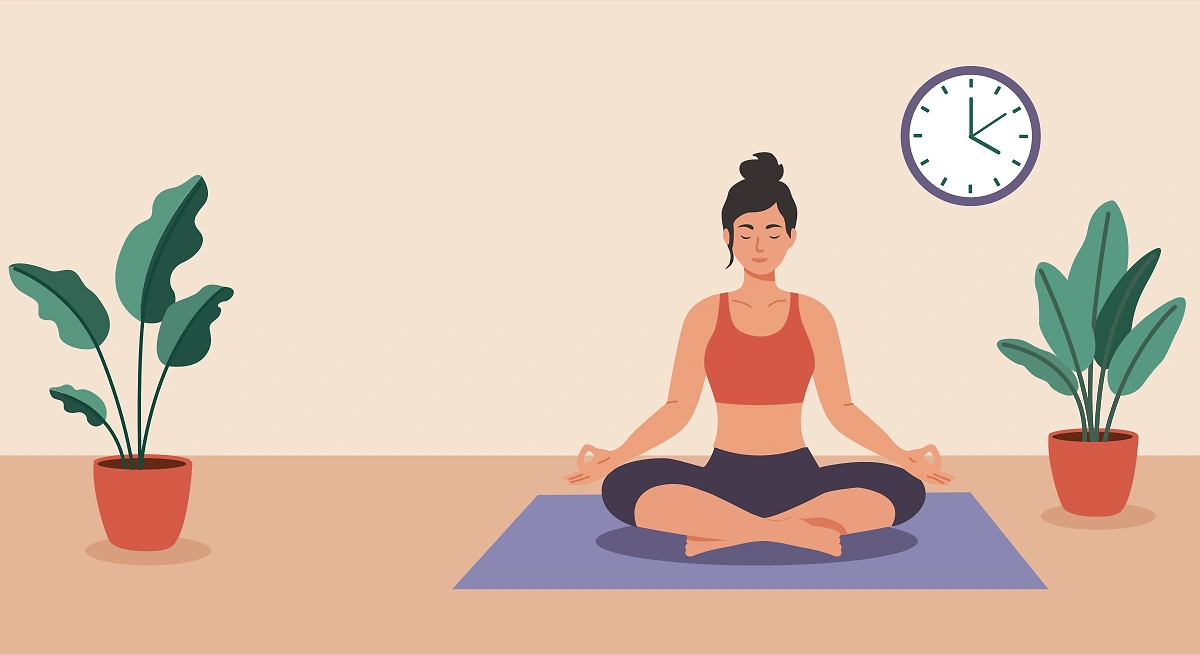
Meditation for Beginners

Meditation for Beginners

Starting a meditation practice doesn't require hours of silence or years of training—research shows that even brief daily sessions produce measurable changes in brain structure and function within eight weeks (Hölzel et al., 2011). The breath serves as the ideal entry point because it's always available, requires no equipment, and provides a tangible anchor for attention. Meta-analyses of meditation research demonstrate that beginners who focus on breath awareness show faster skill acquisition and greater long-term adherence than those who start with more complex techniques (Goyal et al., 2014). Whether you have five minutes or fifty, breath-focused meditation offers an accessible path to the profound benefits of contemplative practice.
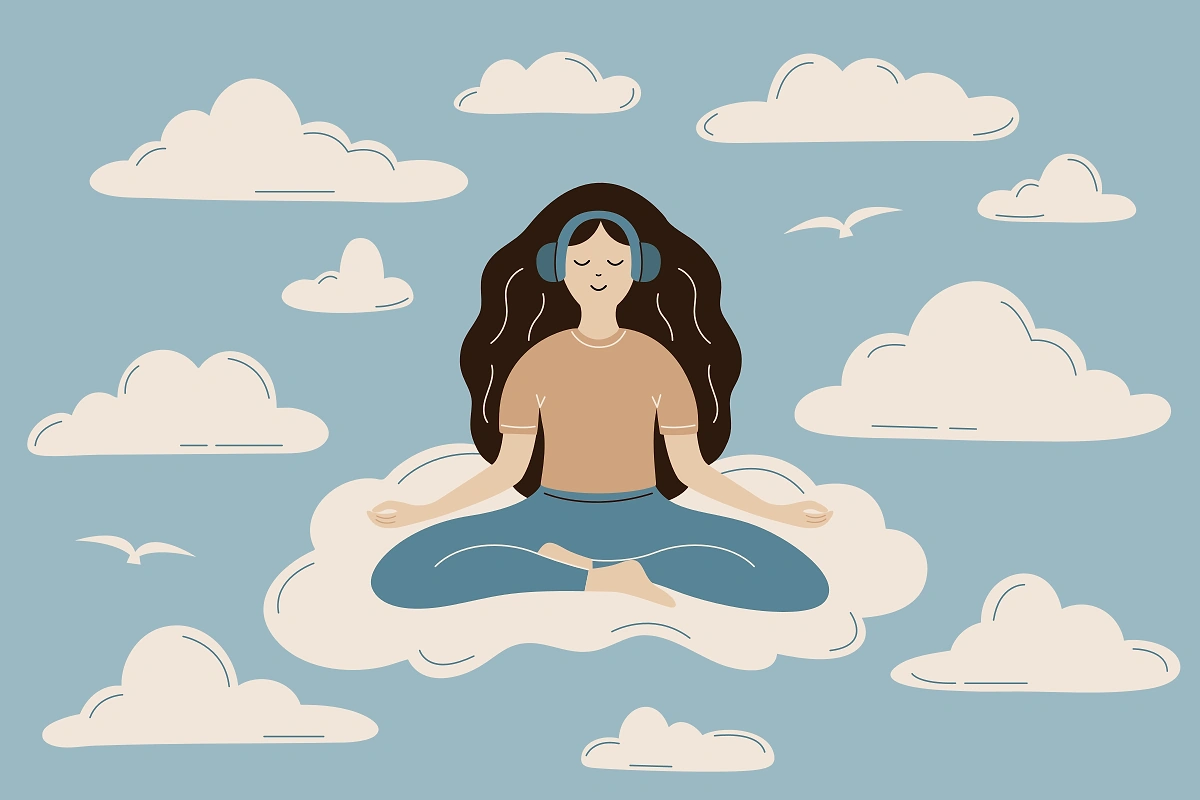

Mindful Breathing Basics

Mindful Breathing Basics

Mindful breathing—the practice of attending to your breath with open, non-judgmental awareness—forms the bedrock of virtually every meditation tradition and has become the most researched contemplative practice in modern science. Unlike controlled breathing techniques that prescribe specific patterns, mindful breathing asks only that you observe your natural breath as it is, creating a remarkably accessible doorway to present-moment awareness. Neuroimaging studies show that this simple practice activates regions associated with interoception, emotional regulation, and metacognition (Farb et al., 2013), while clinical research demonstrates significant reductions in anxiety, depression, and stress symptoms after as little as two weeks of practice (Zeidan et al., 2010). By learning to observe without controlling, you develop a capacity for equanimity that extends far beyond the meditation cushion.

Morning Mindfulness Practice

Morning Mindfulness Practice

The first conscious moments of your day possess extraordinary power to shape what follows—research on "temporal landmarks" shows that how we begin periods of time strongly influences our mindset and behavior throughout them (Dai et al., 2014). A brief morning mindfulness practice creates a buffer between sleep and the demands of the day, allowing you to transition intentionally rather than reactively. Studies demonstrate that morning meditation produces greater adherence rates than evening practice and stronger effects on emotional regulation throughout the day (Willoughby et al., 2022). Even five minutes of breath awareness before engaging with phones, emails, or to-do lists can establish a quality of presence that persists for hours. The morning offers a unique opportunity: your mind is relatively fresh, your schedule temporarily clear, and the day's momentum hasn't yet begun.

Body Scan Breathing Meditation

Body Scan Breathing Meditation

The body scan is one of the foundational practices of Mindfulness-Based Stress Reduction (MBSR), developed by Jon Kabat-Zinn at the University of Massachusetts Medical Center and now practiced worldwide. By systematically moving attention through different body regions while maintaining breath awareness, this practice creates profound mind-body integration that neuroimaging studies show activates the insula—a brain region associated with interoception and emotional awareness (Farb et al., 2007). Research demonstrates that regular body scan practice reduces chronic pain perception, improves sleep quality, and decreases symptoms of anxiety and depression (Ussher et al., 2014). The practice teaches us that the body isn't just something we "have"—it's the very medium through which we experience life, and attending to it skillfully transforms our relationship with both physical sensations and emotions.

Finding Stillness Within

Finding Stillness Within

In contemplative traditions across cultures, stillness is described not as emptiness but as the ground from which all experience arises—a quality of deep presence that remains stable even amid activity. Modern neuroscience partially validates this view: research shows that experienced meditators maintain what's called "equanimous awareness"—stable attention that observes without reacting—and that this capacity correlates with reduced activity in the default mode network, the brain region associated with self-referential thinking and mental wandering (Brewer et al., 2011). Stillness, understood this way, isn't about stopping movement or silencing thoughts. It's about discovering the awareness that was always present beneath the noise. The breath serves as a doorway because it bridges voluntary and involuntary attention, conscious and unconscious, doing and being—making it the ideal vehicle for accessing states beyond ordinary mental activity.