
Post-Workout Breathing Recovery

Post-Workout Breathing Recovery

Elite athletes and exercise physiologists have long known that the cooldown is as important as the workout itself. Research shows that structured post-exercise breathing can reduce recovery time by up to 30%, decrease delayed onset muscle soreness (DOMS), and improve next-day performance (Dupuy et al., 2018). Yet most people skip their cooldown or do it haphazardly. This protocol transforms those critical post-workout minutes into a powerful recovery accelerator.

Breathing for Athletes

Breathing for Athletes

Elite athletes from Olympians to professional sports teams increasingly recognize breathing as a trainable skill that directly impacts performance. Research shows that optimized breathing can improve endurance by 15-20%, reduce perceived exertion, and accelerate recovery between efforts (McConnell, 2011). Yet most athletes never receive formal breathing instruction. This comprehensive guide covers the breath techniques used by professionals across the training cycle—from preparation to performance to recovery.

Breath for Muscle Recovery

Breath for Muscle Recovery

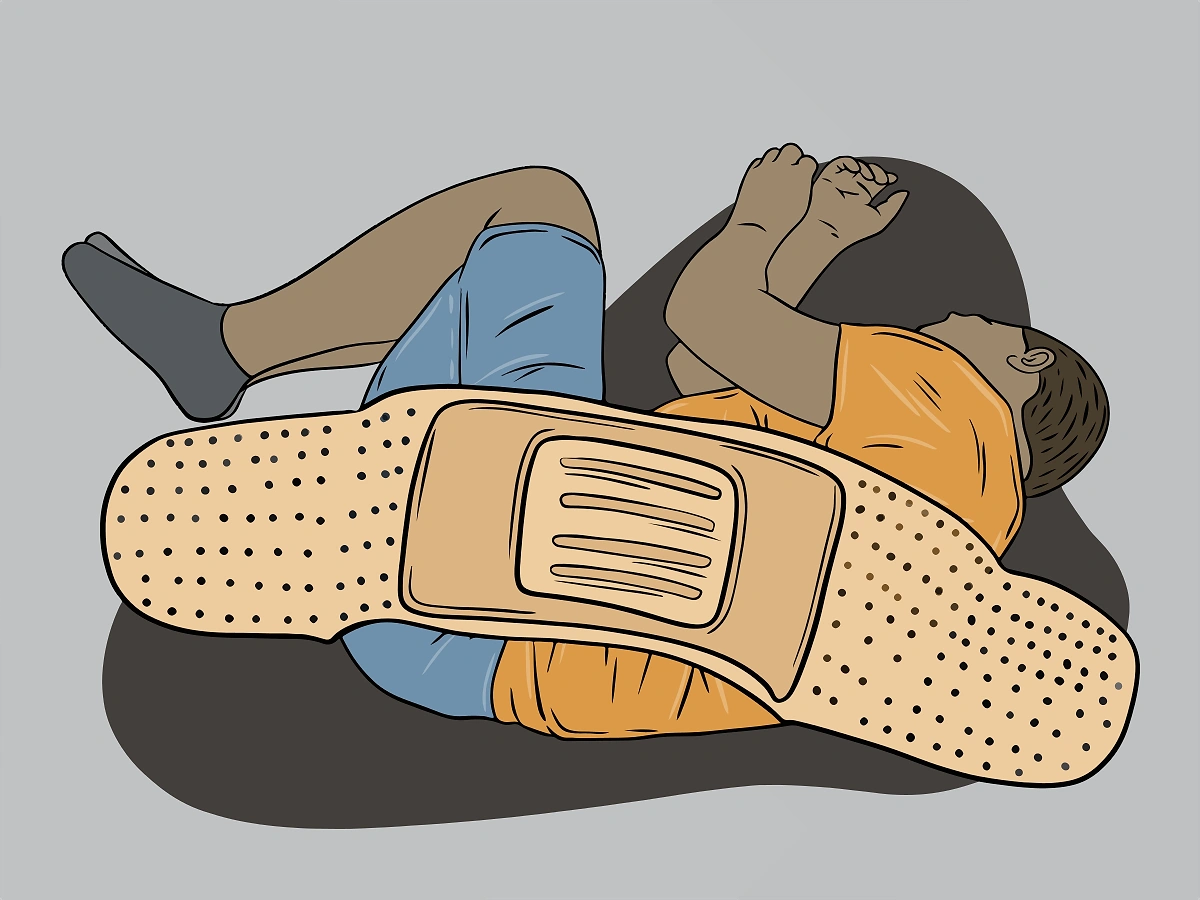
Muscle recovery is fundamentally an oxygen-dependent process. The repair of damaged muscle fibers, clearance of metabolic waste, and synthesis of new proteins all require abundant oxygen supply. Research demonstrates that deep diaphragmatic breathing can increase oxygen delivery to tissues by up to 25% while simultaneously activating the parasympathetic nervous system, which governs recovery processes (Bernardi et al., 2001). This targeted breathing approach accelerates healing while reducing the soreness and stiffness that follow intense training.

Walking Meditation Breath

Walking Meditation Breath

Walking meditation, practiced in Buddhist traditions for over 2,500 years, becomes even more powerful when combined with conscious breath patterns. Research shows that syncing breath with steps activates a unique neurological state that combines the benefits of gentle exercise, mindfulness meditation, and breathing practice—reducing stress hormones while improving mood and cognitive function (Prakhinkit et al., 2014). This moving meditation is ideal for active recovery, providing physical benefits without the demands of intense exercise.

The Rest Day Breathing Ritual

The Rest Day Breathing Ritual

Rest days are not passive waiting periods—they're active recovery opportunities that determine how much benefit you receive from your training. Research in exercise physiology shows that structured rest day practices can improve recovery rates by 20-40% compared to complete rest (Kellmann & Beckmann, 2018). This 20-minute breathing ritual transforms rest days from empty calendar slots into powerful recovery sessions that prepare your body and mind for the training ahead.